Precision Workholding & Hydraulic Engineering Solutions
Explore our certified high-performance CNC tooling components and industrial hydraulic systems engineered for heavy-duty operational stability.
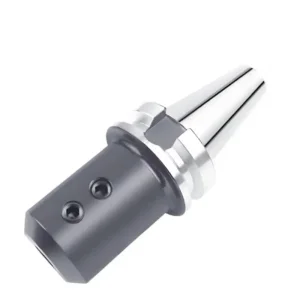
Cheap Side Lock Tool Holder MPM-CTH386 Manufacturers, Factory
View Specifications →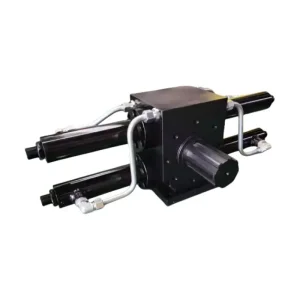
OEM Small Excavator Rotary Actuator Manufacturers, Factories
View Specifications →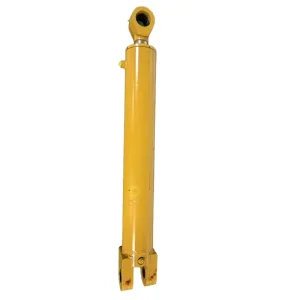
Wholesale Buffer Cylinder for excavator and backhoe loader Supplier, Manufacturer
View Specifications →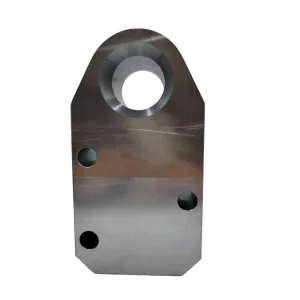
Custom Integrated Cylinder Barrel MPM-HCIB11 Supplier, Manufacturers
View Specifications →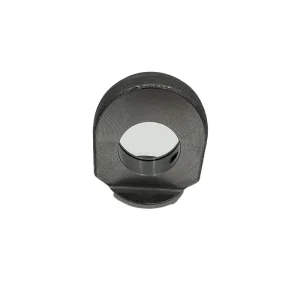
China Hydraulic Cylinder Base MPM-HCBS11 Manufacturers, Manufacturer
View Specifications →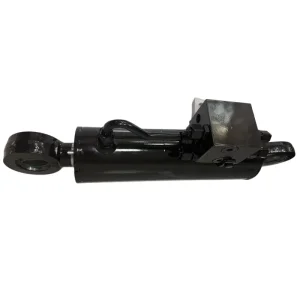
China Reversible Plough Turnover Hydraulic Cylinder Suppliers, Manufacturers
View Specifications →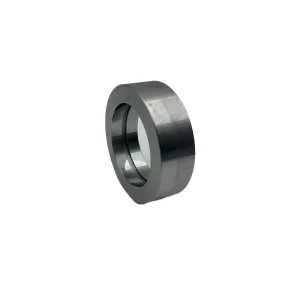
Custom Hydraulic Spherical Bearing MPM-HCSB11 Supplier, Factories
View Specifications →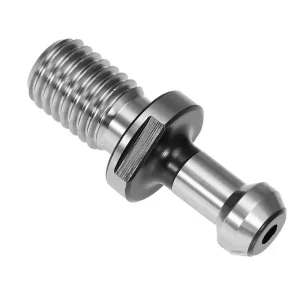
Best Retention Knob JIS B6339 Manufacturer, Factory
View Specifications →Structural Engineering of Precision Milling Vices
In high-speed CNC cutting and multi-axis milling, workholding dynamics dictate dimensional tolerance, surface topography, and tool longevity. Here is how advanced manufacturing factories guarantee zero jaw deflection.
Ductile Cast Iron Metallurgy
Wholesale precision milling vice bodies are forged from premium FCD-60 or GGG-60 spheroidal graphite ductile iron, delivering a minimum tensile strength of 600 N/mm². This dense micro-structure absorbs resonant chatter frequencies generated during dynamic trochoidal milling, outperforming standard gray cast iron bases.
Cryogenic Quenching & Hardness
Slideways and precision jaw beds undergo high-frequency induction hardening followed by sub-zero cryogenic stabilization, achieving HRC 45–55. This metallurgical treatment neutralizes residual internal stresses, preventing mechanical creeping, warping, and axial misalignment over years of 24/7 repetitive clamping cycles.
Angular Down-Thrust Kinematics
A core structural vulnerability in conventional vices is jaw lift under clamping force. Precision vices utilize a patented semi-spherical segment downward-force mechanism. Every kilonewton of horizontal torque applies a proportional 45-degree vector downward, pulling the workpiece firmly against parallel datum stops with zero lift.
China Factory Cluster Advantages in Milling Vice Manufacturing
Why Tier-1 industrial buyers, tooling distributors, and machine builders consolidate workholding procurement within specialized coastal Chinese manufacturing corridors.
Foundry-to-Spindle Vertical Integration
China's key casting and machinery belts (such as Shandong and Zhejiang) integrate raw scrap sorting, spheroidal iron foundries, sand-casting centers, and 5-axis CNC machining bays within a 50-kilometer radius. This geographic compression slashes raw billet transit costs, shortens lead times, and enforces end-to-end metallurgical traceability from melt chemistry to finish grinding.
Advanced Automated Cell Machining
Modern precision milling vice factories utilize automated horizontal machining centers (HMC) equipped with multi-pallet pools (FMS). Both top and bottom reference faces, keyways, and jaw-bolt patterns are milled and ground in single setups, eliminating operator cumulative error and ensuring batch-to-batch interchangeability for modular parallel setups.
Global Logistics & Export Streamlining
Proximity to world-class container ports such as Qingdao, Ningbo, and Shanghai guarantees efficient breakbulk and consolidated container shipping. Factory-direct handling includes customized vapor corrosion inhibitor (VCI) preservation, anti-rust oil saturation, and heavy-duty ISPM-15 certified plywood crating designed to withstand long ocean transits across varied climatic zones.
Precision Milling Vice Engineering Classifications
A reference comparison between standard mechanical vices, modular high-precision vices, and hydraulic-assisted clamping solutions for volume wholesale ordering.
| Vice Typology | Body Material | Clamping Principle | Jaw Width Range | Clamping Force (Max) | Primary Industrial Use-Case |
|---|---|---|---|---|---|
| Precision Modular Vice | Alloy Steel 20CrMnTi (Carburized) | Mechanical Screw / Fast Positioning | 100mm – 300mm | 3,500 – 5,500 kgf | 5-Axis CNC, Toolroom, Batch Production |
| Hydraulic Machine Vice | Ductile Iron FCD-60 / GGG-60 | Hydro-Mechanical Booster Piston | 125mm – 250mm | 4,000 – 8,000 kgf | Heavy Roughing, Steel Forgings, Large Castings |
| Double-Station CNC Vice | Ductile Cast Iron / Tool Steel | Dual-Action Equalizing Lead Screw | 100mm – 160mm | 3,000 – 4,500 kgf | High-Density Pallet VMC Production Cycles |
| Pneumatic Fast-Clamping Vice | Hardened Ductile Iron Base | Air-to-Hydraulic Booster Actuation | 125mm – 200mm | 2,500 – 5,000 kgf | Robotic Load/Unload Automated Transfer Lines |
| Precision Angle Lock Vice | High-Grade Gray Iron HT250 / FCD-50 | Down-Thrust Hemispherical Segment | 100mm – 200mm | 2,800 – 4,000 kgf | General Purpose Toolroom Milling & Drilling |
Global Procurement Needs, Compliance & Localization
Purchasing tooling accessories on an international scale requires strict adherence to international standards, regulatory traceability, and responsive local after-sales frameworks.
ISO 9001:2015 & CE Marking
Wholesale vice export facilities maintain certified ISO 9001 quality systems. Hydraulic units and pneumatic clamps conform to the EU Machinery Directive 2006/42/EC and Pressure Equipment Directive (PED), ensuring risk-free compliance across North America and Europe.
Full Inspection CMM Reports
Every critical batch includes Zeiss or Hexagon CMM dimensional inspection certificates verifying flatness, squareness, and parallelism within 0.005mm. Metallurgical test coupons provide spectral verification of spheroidal nodularity and chemical composition.
OEM Private Labeling & Customization
Turnkey private labeling programs include customized laser engraving, serial number tracking, tailored powder-coat branding, and customized hardened jaw configurations (serrated, prism, soft aluminum, or stepped jaws) directly from factory lines.
Localized Warehouse Spare Parts
To eliminate maintenance downtime, Tier-1 manufacturing exporters collaborate with regional tooling distributors to warehouse wear-components locally—including brass thrust washers, needle roller bearings, lead-screw nuts, and wiper seal kits.
Emerging Trends in High-Performance Workholding
How automation, lights-out machining, and smart sensor integration are transforming standard machine vices into intelligent production nodes.
Zero-Point Clamping System Integration
Modern machine shops are moving away from manual T-slot bolting. Next-generation milling vices are manufactured with precision ground pull-stud receiver interfaces on their base, enabling seamless drop-in engagement with pneumatic and hydraulic zero-point baseplates within 5 seconds.
IoT-Enabled Sensory Clamping
In automated aerospace manufacturing, thin-wall components warp under uncontrolled pressure. Smart precision vices incorporate piezoelectric pressure sensors and wireless RFID telemetry to monitor real-time clamping force, automatically throttling hydraulic pressures to balance part security with minimal wall distortion.
Compact 5-Axis Self-Centering Formats
As 5-axis simultaneous CNC mills become standard, milling vice architecture is pivoting toward elevated, low-profile self-centering vises. Narrow jaw profiles maximize cutter reach around all 5 workpiece faces while dovetail preparation jaws secure parts on as little as 2mm of material stock.
High-Stakes Machining Environments
Where micron-level repeatability and unyielding clamping rigidity directly preserve batch yield and prevent catastrophic machine crashes.
Aerospace Structural Rib Milling
Titanium and 7075 aluminum aircraft frame spars require extreme metal removal rates. High-rigidity modular vices eliminate micro-vibrations, ensuring clean surface topography, extending expensive carbide tool lifespan, and preventing harmonic chatter lines.
Automotive Powertrain & Die Mold
Cylinder block water jackets, transmission cases, and stamping die inserts depend on heavy cutting forces. High-tonnage hydraulic booster vices withstand high-feed face milling operations without losing dimensional parallelism or datums.
Medical Implant & Surgical Tooling
Machining complex 316L stainless steel surgical bone plates and titanium implants requires high-accuracy vices with zero jaw-lift kinematics, ensuring micron-accurate bore positions and burr-free chamfer geometry.
Frequently Asked Questions | Precision Milling Vice Procurement
Essential insights for toolroom managers, procurement officers, and engineering directors sourcing precision vices directly from Chinese manufacturing facilities.
✓ What materials are standard for precision milling vice bodies?
Export-grade machine vices are primarily cast from spheroidal graphite ductile iron (FCD-60 or GGG-60) providing a minimum tensile strength of 600 N/mm² to ensure high dampening capacity. For ultra-precision modular vises, alloy steel (20CrMnTi or SCM440) carburized and hardened to HRC 58-62 is utilized for maximum scratch and wear resistance.
✓ How do Chinese factories prevent jaw-lift during heavy clamping?
Modern factories incorporate angle-lock downward force kinematics. A spherical segment mechanism inside the moveable jaw transmits horizontal screw thrust into an angled 45-degree forward and downward force vector. This dynamic action holds the workpiece tightly against the ground bed stop, keeping jaw lift under 0.005mm under maximum clamping loads.
✓ What is the typical lead time for custom OEM or private-label orders?
Standard production runs for catalogue configurations average 20–30 days. Custom private-label runs—involving custom jaw widths, specific lead-screw pitch, OEM brand colors, laser etched logos, and custom anti-corrosion packaging—typically complete within 35 to 45 days, supported by complete CMM documentation.
✓ Can precision modular vices be synchronized for large workpiece setups?
Yes. Factory-matched precision modular vices are ground as matched sets with bed height and keyway tolerances held within ±0.005mm. Multiple vices can be aligned end-to-end or across multi-slot machining tables to support long aerospace extrusions or structural castings with consistent datum heights.
✓ What packaging precautions are taken for ocean freight shipments?
Export workholding tools undergo ultrasonic vapor degreasing, deep immersion in high-grade military-spec anti-rust oil, and hermetic vacuum sealing with vapor corrosion inhibitor (VCI) poly bags. They are then cradled in fitted high-density foam within export-grade, fumigated ISPM-15 plywood crates.
✓ What information is required to receive a comprehensive factory quotation?
Specify the required vice category (mechanical, modular, hydraulic, or self-centering), jaw width and opening capacity, bed length, target clamping tonnage, machine spindle interface type, estimated annual volume, and any custom requirements such as brand engraving or special jaw step profiles.
Precision Hydraulic Actuation & CNC Workholding Series
Broaden your tooling and machinery infrastructure with our field-tested hydraulic cylinders, multi-stage actuators, and high-precision CNC workshop accessories.
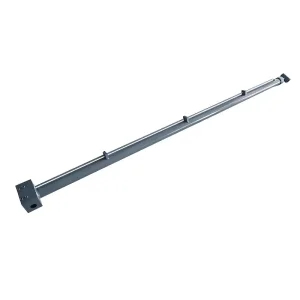
Custom Telescopic Cylinder HCT403 Manufacturer, Factories
View Specifications →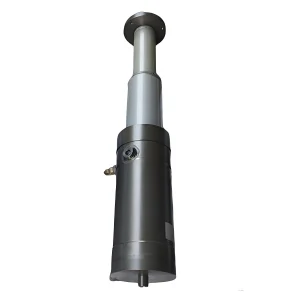
Wholesale 3 stage Telescopic cylinder Suppliers, Supplier
View Specifications →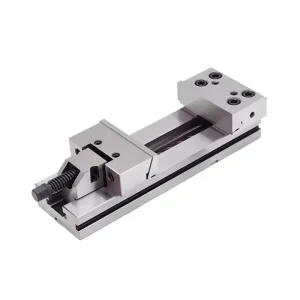
Custom Precision Modular Vice MPM003360 Manufacturers, Factories
View Specifications →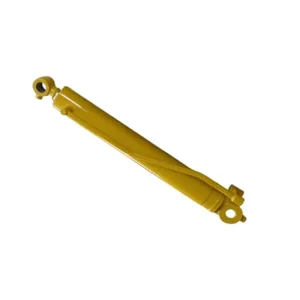
Best Stick Cylinder MPM-HCS301 for Excavator and Loader Manufacturer, Factories
View Specifications →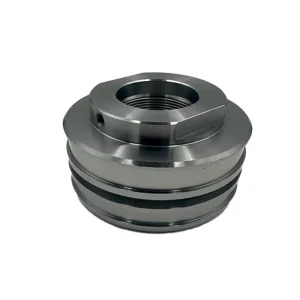
Custom MPM Hydraulic Cylinder Piston MPM-HCPT11 Manufacturers, Factories
View Specifications →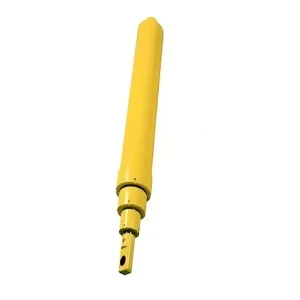
High-Quality 4 stage Telescopic cylinder Suppliers, Manufacturers
View Specifications →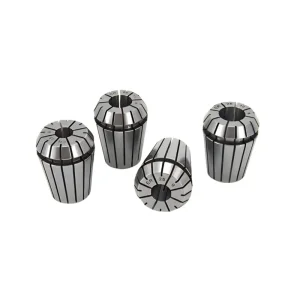
Cheap ER Collet MPM-EC0070 Supplier, Manufacturer
View Specifications →