
Precision Machine Vices & Hydraulic Actuation Solutions
Engineered for repeatable clamping rigidity, wear resistance, and extreme axial stability under heavy CNC milling and dynamic mechanical loads.
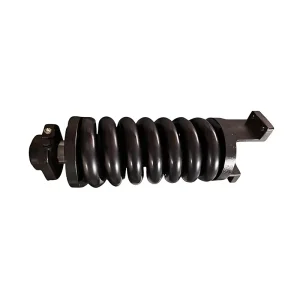
High-Quality Tightening Cylinder MPM-HCT401
Explore Specifications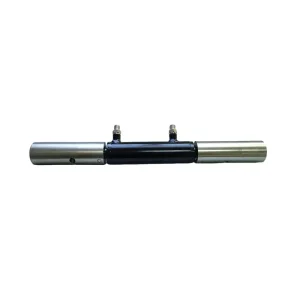
ODM Quick Change Cylinder MPM-HCQ501
Explore Specifications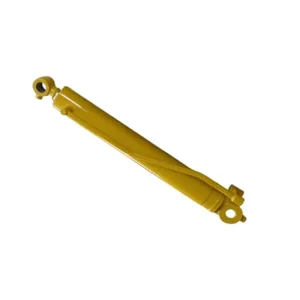
Best Stick Cylinder MPM-HCS301
Explore Specifications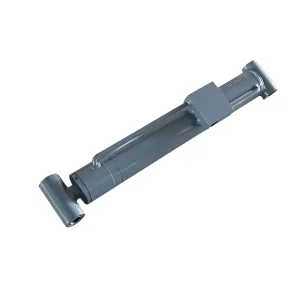
ODM Leveling Cylinder HCL603
Explore Specifications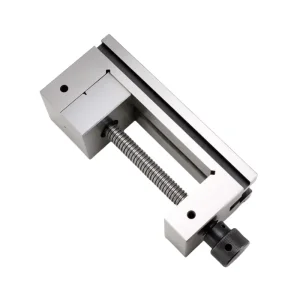
Best QGG Precision Tool Vice MPM00330
Explore Specifications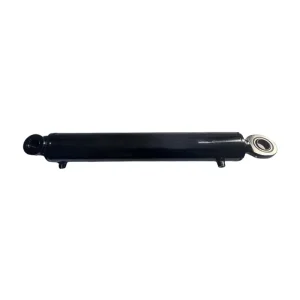
ODM Lifting Cylinder MPM-HCL601
Explore Specifications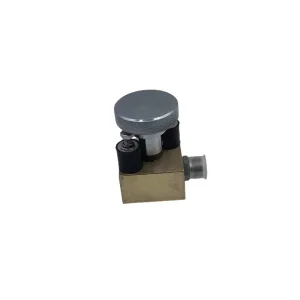
Manual Speed Control Valve MPM-MSCCVB12
Explore Specifications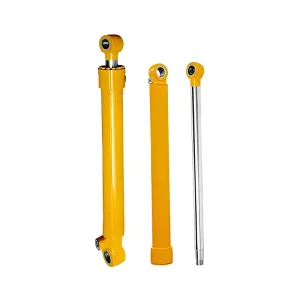
China Small Excavator Stick Cylinder
Explore SpecificationsState of Global Milling Machine Vice & Workholding Manufacturing
Analyzing supply chain evolution, mechanical tolerances, and macro shifts toward lights-out automated machining facilities across North America, Europe, and the Asia-Pacific region.
Supply Chain Consolidation & Tier-1 Standards
Modern milling machine vice factories are pivoting from commoditized manual vices toward high-density modular systems. Leading OEM machining centers demand integrated datum locators, multi-axis interference-free bodies, and ISO 9001 certified metallurgical consistency to withstand continuous cyclic cutting loads exceeding 60 kN.
Elimination of Jaw-Lift (Anti-Lift Kinematics)
The primary industrial failure point in conventional workholding is hydrodynamic or mechanical jaw tilting. Advanced custom vice factories now integrate spherical downward-force mechanisms and precision-ground pull-down segments, guaranteeing clamping parallelism within 0.005mm per 100mm of travel during heavy dynamic milling passes.
Pneumatic & Hydro-Mechanical Boosters
With the aggressive transition to high-speed machining (HSM) and hard-milling processes, shop floors are phasing out purely manual screw vices. Built-in hydraulic intensifying pistons and pneumatic quick-acting clamping allow variable, preset clamping forces that avoid workpiece distortion while preventing tool chatter.
Engineering Architecture of High-Yield Machine Vices
Inside the foundry and precision grinding bays: How high-tensile nodular cast iron, cryogenic stabilization, and case hardening establish repeatable micron-level accuracy.
Ductile Iron FCD-60 vs Tool Steel SCM440
Vice bodies cast from high-grade spheroidal graphite iron (FCD-600 / 80,000 PSI tensile strength) absorb harmonic vibrations during rough face milling. Critical sliding guideways are flame-hardened to HRC 45–50, while dynamic components like lead screws and thrust jaws are machined from alloy tool steel SCM440, carburized and case-hardened to HRC 58–62.
Hydro-Mechanical Pressure Intensification
Custom milling vice factories engineer internal compound mechanical booster screws. When manual torque reaches an initial threshold, high-pressure hydraulic fluid or internal disc spring packs amplify clamping force up to 6000 kgf with fingertip torque on the handle, preventing operator fatigue and eliminating part displacement under heavy titanium roughing.
Zero-Point Datum Clamping Integration
To eliminate machine setup time, modern vice bases are precision-bored for pull-studs compatible with universal zero-point mounting systems (such as 52mm and 96mm grid patterns). This allows sub-second exchange between 3-axis VMCs, 4-axis horizontal tombstones, and automated robotic loading cells with < 0.002mm repeatability.
Engineered Clamping Systems for Specialized Manufacturing
From aerospace 5-axis simultaneous milling to high-volume hydraulic valve block machining, discover how custom workholding geometries solve complex production bottlenecks.
Aerospace Structural Thin-Wall Milling
Thin-wall aluminum structural bulkheads and titanium engine brackets deform under excessive clamping force. Custom pneumatic-hydraulic vices equipped with proportional pressure regulator manifolds apply micro-calibrated clamping (from 2 kN to 25 kN) with serrated dovetail jaws, ensuring complete hold down without warping thin web geometries.
Hydraulic Manifolds & Valve Block Machining
Producing ductile iron and forged copper valve blocks requires 6-sided machining access and extreme rigidity against heavy cavity boring cutters. Double-station vices and multi-axis universal angle vises allow dual-workpiece loading per cycle, cutting tombstone indexing time by 45% while preserving hole-to-port concentricity.
Hydraulic Cylinder Piston & Head Fabrication
Rigid holding of round forgings for hydraulic cylinder heads and spherical bearing eyelets requires specialized prism and V-jaw adaptors. Custom vice factories produce hardened custom step-jaws that hold uneven forged surfaces without inducing axial runout during multi-axis milling and port thread tapping.
| Vice Classification | Actuation Mechanism | Max Clamping (kN) | Repeatability | Optimal Production Application |
|---|---|---|---|---|
| Mechanical Precision Vise (QGG) | Manual Screw / Lead Nut | 15 – 25 kN | ±0.003 mm | Toolroom, Surface Grinding, Precision Die Componenting |
| Hydro-Mechanical Milling Vise | Torque Screw + Hydraulic Booster | 40 – 60 kN | ±0.005 mm | Heavy Face Milling, Large Forgings, Steel Block Hogging |
| Pneumatic Quick-Clamping Vise | Air Cylinder + Wedge Linkage | 20 – 45 kN | ±0.008 mm | Automated Robot Tending, High-Volume Automotive Machining |
| 5-Axis Self-Centering Vise | Synchronous Right/Left Lead Screw | 25 – 35 kN | ±0.010 mm | Complex 5-Axis Contouring, Aerospace Brackets, Impellers |
The Future of Intelligent Industrial Workholding: 2025–2030
From passive mechanical clamps to active cyber-physical nodes: The technological evolution of custom milling machine vice design.
Phase 1: Sensorized "Smart Vices" & Clamping Telemetry
Embedding thin-film piezoelectric strain gauges and pressure transducers directly beneath jaw faceplates. Real-time telemetry communicates wireless clamping status to CNC controllers via IO-Link, automatically aborting spindle cycles if tool friction causes workpiece slippage.
Phase 2: Additive Manufacturing of Generative Topology Jaws
Laser Powder Bed Fusion (LPBF) 3D printing of conformal titanium and maraging steel soft jaws. Internal fluid cooling channels deliver pressurized cutting oil directly through the jaw into the cutting envelope, mitigating thermal expansion and doubling tool edge longevity.
Phase 3: Autonomous Lights-Out Robotic Pallet Ecosystems
Seamless pneumatic coupling between robotic end-effectors and vice clamping pistons. Next-generation milling vices self-calibrate jaw spread according to CAD/CAM work orders without human intervention, unlocking continuous 24/7 dark-factory production.
Industrial Machine Tool Accessories & Hydraulic Components
Precision workholding fixtures, universal angle vises, ER collet toolholders, and heavy-duty industrial cylinders built to tight ISO and DIN tolerances.
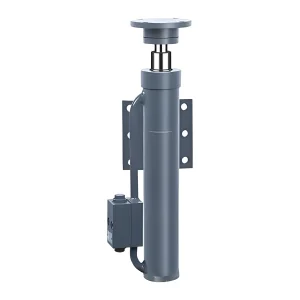
Outrigger Expansion Cylinder System
Explore Specifications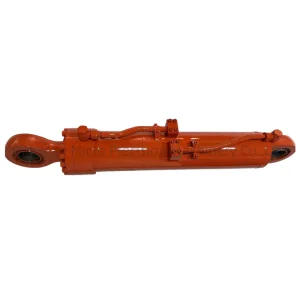
Underground LHD Mining Lift Cylinder
Explore Specifications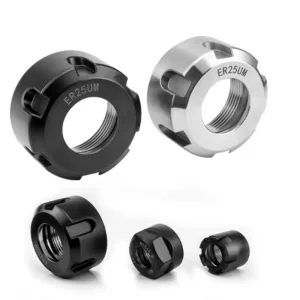
OEM Precision ER Collet MPM-EN0072
Explore Specifications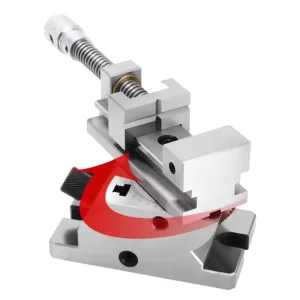
CHM Precision Universal Vise MPM0356
Explore Specifications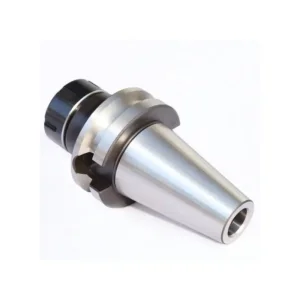
Milling Tool Holder MPM-CTH400
Explore Specifications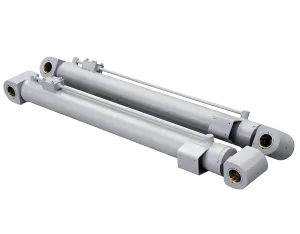
High-Quality Luffing Cylinder
Explore Specifications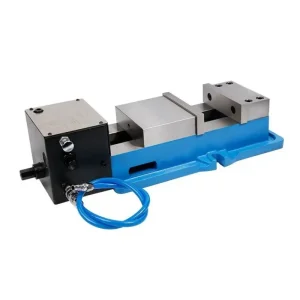
Custom Pneumatic Hydraulic Machine Vise
Explore Specifications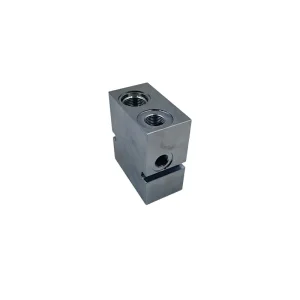
Lift Cylinder Solenoid Valve MPM-LCSV12
Explore SpecificationsCustom Milling Machine Vice Sourcing & Engineering FAQ
In-depth answers to critical procurement, metallurgy, tolerances, and custom OEM manufacturing questions.
How do custom vice factories prevent workpiece lift during high-torque milling?
Workpiece lift occurs when clamping vectors impart an upward moment to the movable jaw. Custom factories counter this with downward-pulling kinematic mechanisms (such as angled 45° internal spherical segments or semi-circular downward wedges). When the lead screw tightens, an equal downward vertical component pulls the dynamic jaw and workpiece tightly against the ground vice bed, holding vertical movement within 0.005mm.
What metallurgical standards are mandatory for long-term vice accuracy?
High-end milling vices utilize premium ductile iron (such as FCD-60 or GGG-60) possessing high vibration dampening properties. Guideways must undergo flame or induction hardening to HRC 48-52 with a hardening depth of at least 2.5mm, followed by sub-zero cryogenic treatment to relieve internal stress before final CNC precision grinding.
When should a machine shop choose a pneumatic-hydraulic vice over a mechanical vice?
Pneumatic-hydraulic machine vices are indicated when cycle times are short, clamping repeatability is critical, or automation is integrated. They actuate in under 1.5 seconds via foot pedal or CNC M-code macro signals and eliminate variable human torque discrepancies, preventing part distortion on thin-wall aluminum or ductile components.
Can custom vice factories manufacture multi-jaw modular tombstones for 4-axis HMCs?
Yes. Custom OEM manufacturers regularly produce integrated multi-station vices and tombstone towers. These feature hardened, precision-ground multi-sided columns with independent or synchronized clamping bays, enabling simultaneous clamping of 4, 8, or 16 parts on horizontal machining center pallets.
What parameters are required to quote a fully customized machine vice?
To produce an engineered quote, the factory requires: jaw width and opening span requirements, maximum clamping force (kN), machine spindle clearance envelopes, T-slot mounting pitch or zero-point stud standards, actuation preference (manual, air-over-oil, or direct hydraulic), and surface treatment specifications (e.g., hard chrome, black oxide, or nickel plating).
How does thermal fluctuation on CNC machines impact vice accuracy?
Excessive friction from heavy dry cutting or hot chip accumulation can induce localized thermal expansion across the vice body, resulting in taper errors. Premium factories design symmetrical body webs that disperse heat evenly and integrate coolant drain ports directly along the central axis of the lead screw cavity.