
Direct-Factory Parts Portfolio (Batch 01)
High-integrity hydraulic cylinders, high-pressure directional control manifolds, counterweight components, and tool holders manufactured in Qingdao for earthmoving equipment.
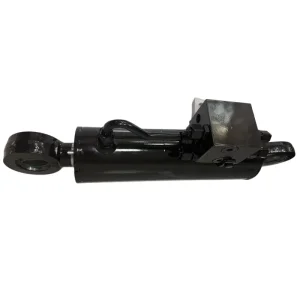
China Reversible Plough Turnover Hydraulic Cylinder
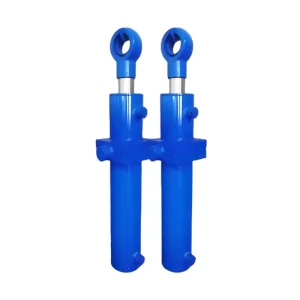
Custom Telescopic Cylinder Supplier, Manufacturer
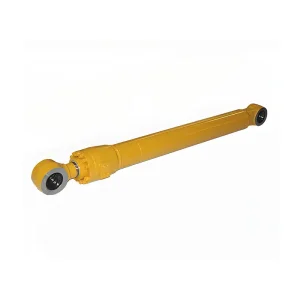
Cheap Boom Cylinder MPM-HCB212 for Excavator and Loader
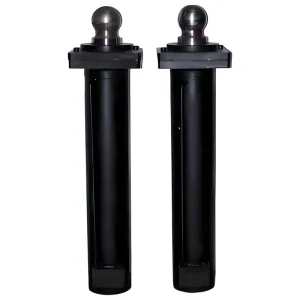
Cheap Counterweight Cylinder Supplier, Manufacturer
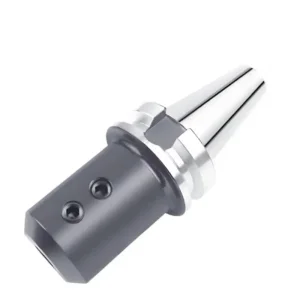
Cheap Side Lock Tool Holder MPM-CTH386 Manufacturers
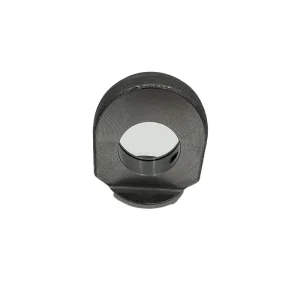
China Hydraulic Cylinder Base MPM-HCBS11 Manufacturers
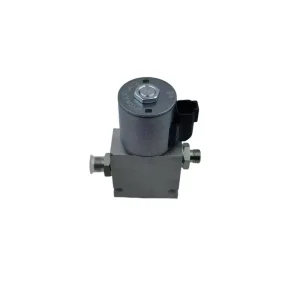
High-Quality Quick Change Solenoid Valve MPM-QCSV12
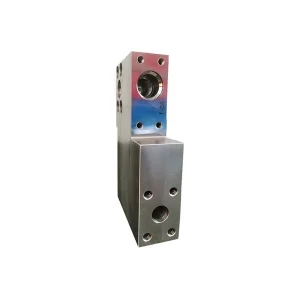
High-Quality T2A Hydraulic Relief Valve Block MPM-HRVB2A
The Global Commercial Ecosystem of Mini-Excavator Components
The compact earthmoving sector (sub-6-ton operating weight) has transitioned from secondary utility equipment into the primary workhorse of modern civil infrastructure, urban renovation, and municipal utility networks.
Over the past decade, global urbanization trends, strict metropolitan space restrictions, and severe manual labor shortages across North America, Europe, and developed Asia-Pacific economies have catalyzed an unprecedented demand surge for compact excavators (1.0 to 5.5-metric-ton classes). However, the commercial reality of compact equipment operation is radically harsher than that of heavy 20-ton mining crawlers. Mini-excavators operate continuously in hyper-dense urban alleys, confined interior demolition spaces, and trenching corridors where duty cycles are characterized by high-frequency directional reversals, unpredictable side loads, rapid thermal cycling of hydraulic fluid, and direct exposure to abrasive siliceous dust.
In this industrial landscape, component durability directly governs total cost of ownership (TCO). Original Equipment Manufacturers (OEMs) and aftermarket fleet asset managers face mounting pressure: modern micro and mini-excavators run at high operational hydraulic pressures (up to 28–35 MPa / 280–350 Bar) within highly restricted machine envelopes. Actuator clearances are ultra-tight, cooling reservoirs are necessarily smaller, and hydraulic line routing leaves zero room for structural vibration or thermal distortion. A premature rod seal blowout, barrel scoring, or valve spool sticking not only grounds the asset but paralyzes entire congested job sites where crane lifting or support machinery cannot easily access the disabled excavator.
Consequently, the tier-one parts procurement strategy among leading equipment brands has shifted away from generic low-cost hardware toward integrated, vertically manufactured custom componentry. Sourcing custom mini-excavator hydraulic cylinders, valve blocks, forged pins, and linkage bushings requires an empirical understanding of metallurgy, micro-geometry, and elastomeric tribology under peak shock loads.
Rental Fleet Utilization
Over 60% of compact excavators globally are operated by rental companies. Fleets face extreme multi-operator abuse, cold starts, and deferred servicing, demanding components with self-compensating seals and heavy pin-eye forgings.
High-Pressure Miniaturization
To achieve high breakout force in tight machine footprints, hydraulic cylinders operate at elevated pressures with ultra-thin, cold-drawn St52 / 27SiMn alloy tubes requiring high yield strengths (>520 MPa).
Strict OEM Interchangeability
Global aftermarket distributors demand plug-and-play interchangeability with OEM lines (Kubota, Yanmar, Caterpillar, Bobcat, Komatsu). Mounting pin centers, port clearances, and stroke cushions must match to 0.02mm.
Industry Trends: From Pure Mechanical Assemblies to Smart Mechatronics
How zero-emission electric mini-excavators, electro-hydraulic load sensing (EHLS), and nanostructured surface treatments are transforming part engineering specifications.
The mini-excavator sector is experiencing the fastest rate of technological transformation in construction machinery history. Driven by carbon neutrality directives in European metropolitan low-emission zones (LEZs) and North American ESG mandates, electric-drive mini-excavators powered by 48V–400V lithium battery architectures are entering mainstream production. This seismic platform shift reshapes cylinder and manifold specifications:
- Energy-Conserving Hydro-Mechanical Efficiency: Internal seal friction within boom, arm, and bucket cylinders was historically compensated by excess diesel engine torque. In battery-electric mini-excavators, every kilojoule wasted on friction diminishes continuous runtime. Modern custom cylinders utilize ultra-low-friction PTFE-bronze composite step seals, combined with precision CNC-roller-burnished cylinder bores achieving an internal micro-roughness of Ra ≤ 0.15 μm. This reduces initial breakaway torque by 34% and eliminates stick-slip shudder during delicate trench grading.
- Electro-Hydraulic Digital Manifolds: Traditional mechanical pilot lines are being replaced by direct digital solenoid control blocks (such as the MPM-QCSV series) mounted directly adjacent to actuator ports. This minimizes circuit dead-band volume, enables software-calibrated fine control via CAN-bus operator joysticks, and reduces hydraulic fluid oil requirements across the excavator chassis.
- Micro-Electronic Rod Telemetry: High-end mini-excavators increasingly rely on integrated magneto-strictive or optical linear position sensors embedded directly within the hydraulic cylinder piston rod. These smart actuators stream real-time stroke position back to the machine controller, automating repetitive trench-depth limits and preventing boom collision against operator cabs or overhead utilities.
- Superior Tribological Rod Coatings: Standard hexavalent hard-chrome electroplating is encountering stringent environmental bans and technical limitations in marine or coastal trenching. Leading manufacturers utilize high-velocity oxy-fuel (HVOF) thermal spray tungsten carbide coatings and induction-hardened 40Cr/42CrMo substrates capable of surviving over 500 hours of ASTM B117 neutral salt spray testing without micro-crack propagation.
| Part Type / Assembly | Material Substrate | Surface Treatment & Coating | Dimensional & Thread Tolerance | Operating Pressure / Load Limit |
|---|---|---|---|---|
| Boom & Arm Cylinder Barrels | ST52-3 / DIN 2391 E355 / 27SiMn | Honed & Roller Burnished (Ra ≤ 0.2 μm) | ISO H8 / H9 Bore Concentricity | 35 MPa (350 Bar) / 52.5 MPa Burst Test |
| Hydraulic Piston Rods | 40Cr / 42CrMo Quenched & Tempered | Induction Hardened (HRC 52-58) + 30μm Cr | ISO f7 / h8 Precision Runout <0.015mm | Tensile Yield Strength ≥ 800 MPa |
| Hydraulic Valve Manifolds | 6061-T6 Aluminum / QT450-10 Ductile Iron | Electroless Nickel / Hard Anodize 25μm | Cartridge Cavities to Sun / HydraForce Stds | Up to 42 MPa Non-Shock Rating |
| Pin Eye & Cylinder Bases | Forged 45# / 40Cr Alloy Steel | Phosphatized & High-Frequency Quench | Hole Pitch Distance ± 0.05 mm | Dynamic Radial Load > 180 kN |
| CNC Milling Tool Holders & Vises | 20CrMnTi Alloy Tool Steel | Carburized & Case Hardened (HRC 58-62) | DIN 69872 / JIS B6339 / AT3 Spindle Taper | Rotational Balance G2.5 @ 25,000 RPM |
Localized Application Scenarios: Engineering for Global Climates
Mini-excavator components must perform without seal extrusion or fluid bypass whether working in Scandinavian sub-zero permafrost or Middle Eastern extreme heat.
Sub-Zero Nordic Forestry & Arctic Utility
Standard polyurethane rod wipers crystallize and lose elasticity below -20°C, allowing razor-sharp ice crystals to penetrate the seal pack. MPM designs Arctic-grade cylinders featuring low-temperature fluoropolymer secondary seals, specialized HNBR wiper rings rated to -45°C, and impact-tough 42CrMo forged rod eyes that resist brittle fracture under high-velocity rock-hammer impact.
High-Ambient Tropical & Desert Infrastructure
When ambient temperatures exceed 48°C in desert trenching, hydraulic oil core temperatures frequently peak above 105°C. Our manifolds and cylinder glands utilize reinforced bronze-filled PTFE guide bands to prevent metal-to-metal galling during excessive thermal expansion, paired with Viton/FKM high-temp O-rings that prevent degradation.
High-Density Urban Demolition & Zero-Tail Crawlers
Ultra-compact excavators rotating within zero-tail profiles suffer from tight side clearances where the boom swings flush against building facades. MPM integrates integrated internal rod cushions and high-damping manifold blocks that dissipate kinetic deceleration shock, protecting the chassis from fatigue cracks.
Macro Industry Solutions: Engineering Resilient Global Supply Pipelines
For equipment builders and nationwide spare parts distributors, supply continuity, metallurgical consistency, and rigorous drawing-to-part compliance are operational prerequisites.
Decentralized parts sourcing across multiple fragmented machine shops creates systemic assembly vulnerabilities for excavator OEMs. When cylinder barrels arrive from one machine shop, piston heads from another, and seal kits from a third-party trader, minor cumulative machining tolerance stack-ups (such as 0.03mm runout mismatch between rod gland threads and piston seal seats) lead directly to premature seal extrusion and barrel scoring in field service.
Micro Precision Machinery’s In-House Manufacturing Loop: By retaining end-to-end CNC turning, multi-axis milling, induction heat-treating, precision cylindrical grinding, and high-pressure computerized testing under our own 3,500 m² production facilities in Qingdao, we eliminate dimensional discrepancies. Every single batch is validated against confirmed technical blueprints using calibrated coordinate measuring machines (CMM) and pneumatic air gages.
Technical Audit & FEA
Detailed review of customer CAD models, working pressure limits, pin mounting side loads, and finite element stress analysis.
Metallurgy & Honing
Precision cold-drawn steel tubes honed to ISO H8 tolerances; 40Cr piston rods quenched and induction-hardened to HRC 55+.
CNC Machining
Multi-axis machining centers drill valve blocks and internal fluid pathways with zero cross-port metal burrs or contamination.
100% Pressure Proof
Every completed cylinder undergoes high-pressure hydraulic proof testing to 1.5x nominal rating to detect any internal micro-bypass.
Export Packaging
Anti-corrosive VCI wrapping, sealed port plugs, and reinforced fumigated timber crates configured for containerized ocean transport.
Technical Knowledge Base & Buyer FAQs
Detailed answers to critical engineering, manufacturing tolerance, and global procurement questions asked by equipment builders and parts wholesalers.
What technical data is required to quote and manufacture custom mini-excavator hydraulic cylinders?
How does Micro Precision Machinery prevent piston rod scoring and premature chrome flaking?
Can you manufacture hydraulic valve manifolds from custom schematic circuit diagrams?
What quality testing and traceability protocols are followed before shipment?
Do you supply individual replacement hydraulic parts and CNC tooling for repair workshops?
What are the minimum order quantities (MOQ) and production lead times for custom projects?
Direct-Factory Parts Portfolio (Batch 02)
Explore additional precision hydraulic actuators, underground heavy machinery cylinders, high-precision machining tool accessories, and replacement pistons.
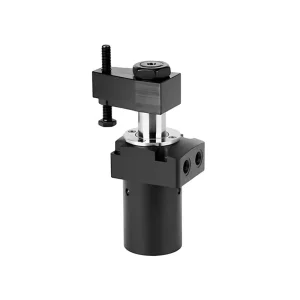
Custom Angle Push Cylinder Supplier, Manufacturers
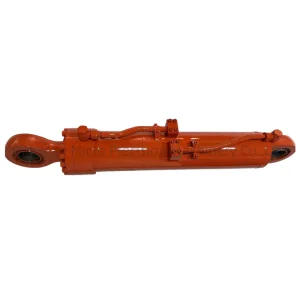
Best Underground LHD Lift Cylinder Supplier, Factories
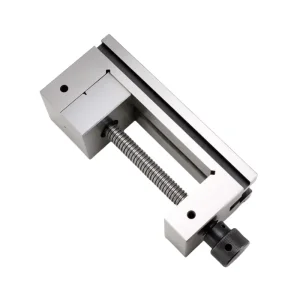
Best QGG Precision Tool Vice MPM00330 Suppliers
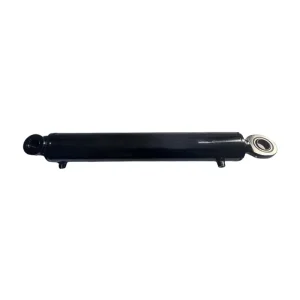
ODM Lifting Cylinder MPM-HCL601 Manufacturers
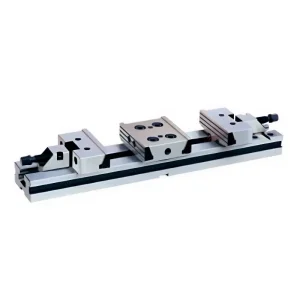
Wholesale ZQ83 Single & Double Action Vise Factories
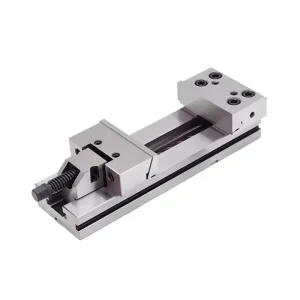
Custom Precision Modular Vice MPM003360 Manufacturers
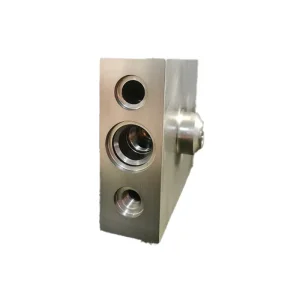
High-Quality T3A Counterbalance Valve Block MPM-HCVB3A
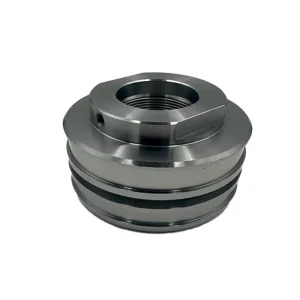
Custom MPM Hydraulic Cylinder Piston MPM-HCPT11
Consult Directly with Our Qingdao Engineering Team
Share your mini-excavator cylinder 2D/3D technical drawings (DWG, STEP, PDF), hydraulic schematics, or OEM sample dimensions. We supply comprehensive DFM feedback, metallurgical validation reports, and itemized quotations within 24 business hours.