Precision Structural Hydraulic Actuators & Tooling Assemblies
Engineered for compact earthmoving equipment with strict mechanical concentricity, burst-resistant integrity, and high-frequency displacement repeatability.
The Chinese Manufacturing Matrix for Compact Excavation Equipment
A granular look at the technological convergence, metallurgical supply chains, and engineering ecosystems empowering Chinese mini excavator production centers.
Vertical Precision Machining
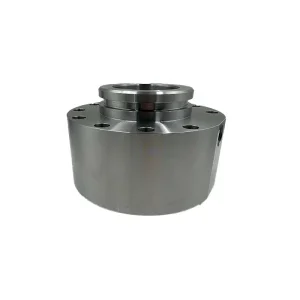
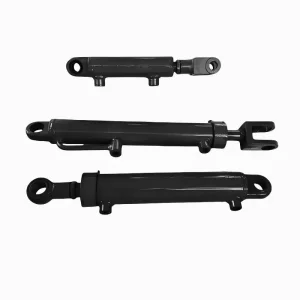
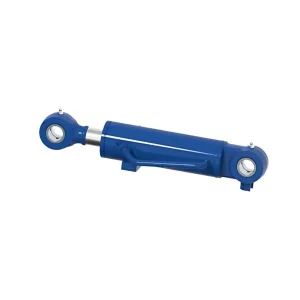
Unlike simple assembly lines, dedicated OEM facilities in China integrate high-precision CNC multi-axis turning, internal bore deep-hole honing, and induction surface quenching under one roof. Critical internal tolerances for cylinder barrels, gland rings, and floating pistons maintain micro-inch finishes (Ra ≤ 0.2 μm), systematically eliminating premature packing seal degradation.
Hydraulic Valve Block Integration
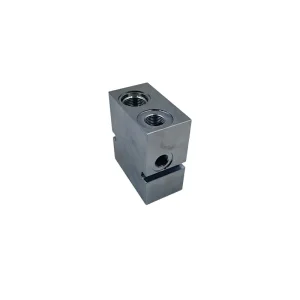
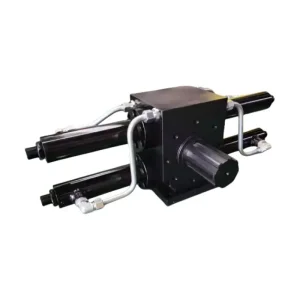
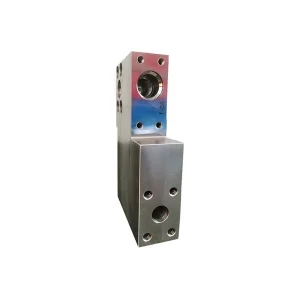
The transition from distributed hose configurations to integrated manifold valve blocks (counterbalance, relief, check, and regenerative valves) cuts physical envelope bulk by 35% in small excavator chassis. Custom aluminum alloy and ductile iron blocks minimize cavitation risks and reduce circuit installation labor during equipment assembly.
Severe Environment Metallurgy
Mini excavators deployed in demolition, tunneling, and utility trenching confront severe lateral shock and abrasive particulates. Modern Chinese manufacturers deploy high-yield quenched and tempered alloy steels (such as 40Cr and 42CrMo), coated with high-hardness hard chrome or state-of-the-art laser cladding to resist corrosion and micro-pitting over thousands of duty hours.
Engineering Paradigms Reshaping the Mini Excavator Sector
Technological advancement is moving beyond raw mechanical power toward hydraulic efficiency, low-noise urbanization mandates, and electrification.
Hydraulic Electrification Readiness
With electric mini excavators entering municipal fleets across Europe and North America, hydraulic systems face stringent demands for zero-leakage, low parasitic flow friction, and ultra-high dynamic response at fluctuating motor RPMs. Low-friction polyurethane seal geometries and internal leakage damping architectures allow electric systems to optimize runtime by conserving battery wattage.
Smart Sensing & Cushioning
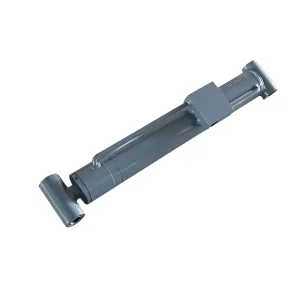
Urban infrastructure excavation demands zero vibration damage to adjacent foundations. Modern cylinder design integrates internal mechanical cushioning chambers at head and base stroke ends. Integrated linear displacement transponders communicate real-time boom position back to the machine’s CAN-bus core, preventing mechanical boundary collision and lowering operator fatigue.
Modular Quick-Coupler Hydraulics
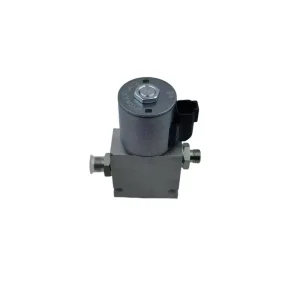
Mini excavators have evolved into multi-functional platforms supporting augers, tiltrotators, hydraulic breakers, and shears. High-flow auxiliary solenoid manifold blocks mounted directly onto the excavator arm allow fluid switching within fractions of a second, governed by onboard proportional controls without pressure oscillation spikes.
Engineering Rigor: Actuation & Component Tolerances
Precision hydraulic components require stringent adherence to ISO, DIN, and JIS standards. Sourcing directly from advanced Chinese factories offers international machinery companies certified traceability across metallurgical and dimension metrics.
- Hard Chrome Depth: 25μm – 50μm micro-crack corrosion barrier.
- Thread Classifications: ISO 6H class thread engagement tolerances.
- Fluid Cleanliness: Flushed to NAS 1638 Class 7 / ISO 4406 16/14/11 prior to closure.
- Pressure Testing: 100% hydro-static proof tested at 1.5× design working pressure.
| Design Metric | Standard Factory Benchmark | Extended Duty Grade |
|---|---|---|
| Bore Surface Finish | Ra 0.2 – 0.4 μm | Ra ≤ 0.15 μm (Roller Burnished) |
| Piston Rod Plating | Single Layer Cr (>800 HV) | Double Layer Hard Cr / Induction Hardened (>950 HV) |
| Valve Block Material | Alloy 6061-T6 / Gray Iron | Hydraulic Continuous Cast Ductile Iron 65-45-12 |
| Proof Pressure | 210 Bar – 280 Bar | 350 Bar – 420 Bar (Impulse Resilient) |
Localized Engineering Applications for Compact Earthmoving
Discover how tailored hydraulic geometry accommodates varied regional construction parameters, soil resistances, and tight operational footprints.
Urban Confined Infrastructure & Utilities
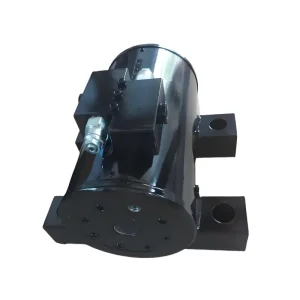
Micro excavators (under 2 tons) operating in historic European street layouts or dense Asian metropolitan conduits require zero-tail swing capability. Swing-boom offset cylinders and compact articulated rotary actuators allow excavators to dig flush against wall boundaries without repositioning the undercarriage track frame.
Agricultural Land Reclamation & Landscaping
From vineyard drainage to residential forestry, compact machinery handles cyclic bulldozing, rotary mulching, and land clearing. Excavator dozer blade cylinders are outfitted with integrated dual-pilot check valves to guarantee constant blade elevation over long operational runs, preventing grading inaccuracies.
Underground Micro-Tunneling & Mining Slag
Confined underground tunneling demands heavy-shock resilient boom mechanisms. Abrasion-resistant external cylinder shields and custom low-temperature nitrile and Viton packing combinations allow mini mucking rigs to withstand hot rock spalling, acidic drip water, and fine abrasive mineral slurry.
Addressing Global OEM & Tier-1 Sourcing Requirements
Purchasing executives and technical teams must navigate quality stabilization, drawing precision, logistics integrity, and long-term supply chain security.
Drawing & Sample Reverse Engineering
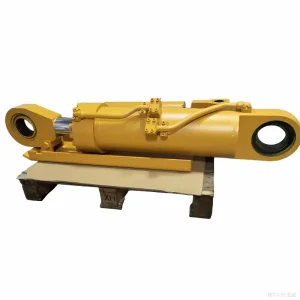
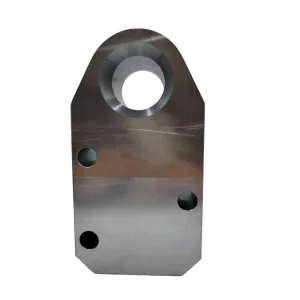
Global aftermarket distributors and regional excavator fabricators often possess worn legacy samples or legacy CAD layouts. Advanced factory teams convert physical artifacts via 3D coordinate measuring machines (CMM) into certified manufacturing drawings, ensuring mounting eye pin-to-pin dimensions, port orientations, and stroke metrics achieve 100% interchangeability.
Supply Chain Resiliency & Cost Structure
China's comprehensive mechanical processing supply network insulates purchasers from raw material and forged rod shortages. Standardized raw stock inventory paired with flexible CNC machining cells lets overseas OEMs scale up from small batch prototype validations (MOQ 1-10 units) to annual production runs without retooling friction.
Export Grade Anti-Corrosion Packing
Long transoceanic container shipments expose machined components to humidity and salinity. Comprehensive export packaging protocols utilize VCI anti-corrosion barrier wrapping, internal nitrogen blankets where specified, heavy-duty desiccants, and solid fumigated plywood crating engineered for rough terminal handling.
Frequently Asked Questions: Mini Excavator Sourcing & Manufacturing
In-depth responses covering mechanical specifications, material selections, and international procurement workflows.
What key engineering variables must be specified when sourcing custom hydraulic cylinders for mini excavators?
How does integrated manifold valve block design benefit mini excavator hydraulic systems?
Can Chinese manufacturers reproduce OEM excavator cylinders and components from physical samples?
What quality control measures are implemented to eliminate internal hydraulic bypass and premature seal wear?
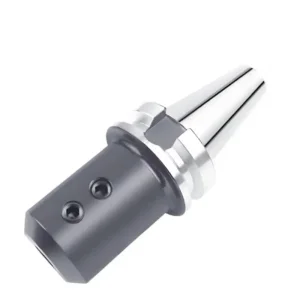
What international standards govern precision cylinder components, nuts, and CNC machine tool accessories?
Integrated Flow Regulators, Manifold Systems & Heavy-Duty Components
Engineered for high-pressure fluid modulation, mechanical stability, and precision CNC workholding applications.