Best Underground LHD Loader Tilt Cylinder Supplier, Manufacturer

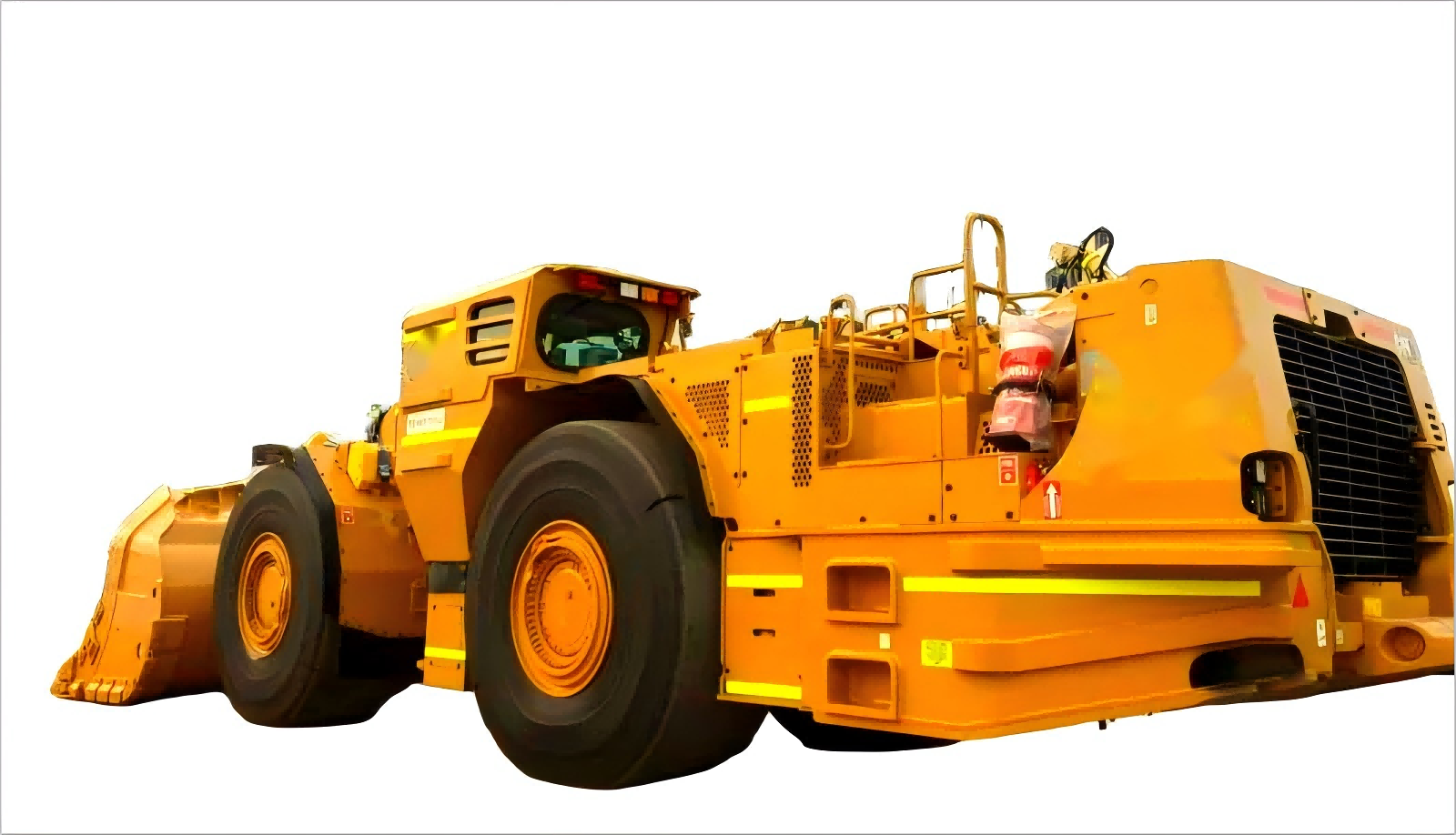
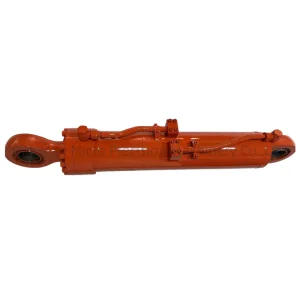
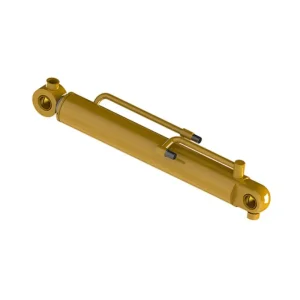
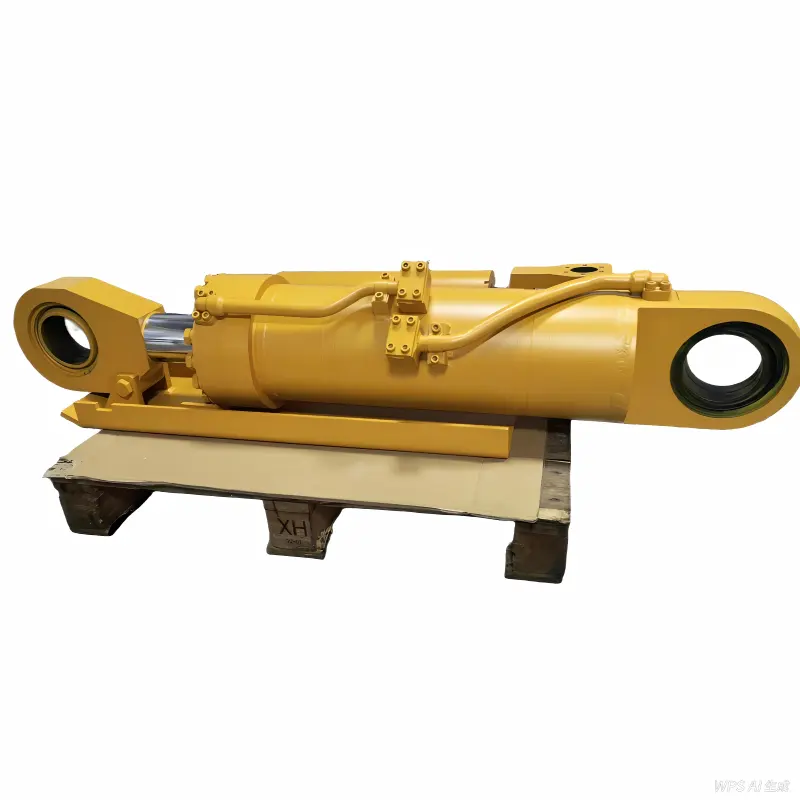
Underground LHD Loader Tilt Cylinder serves as a critical hydraulic actuator within Load-Haul-Dump (LHD) machines, designed to precisely control the tilting and dumping motions of the bucket or load compartment for efficient material discharge in confined underground spaces. Fabricated from high-strength steel and often featuring protective coatings, the cylinder is engineered to withstand extreme pressure, shock loads, and corrosive environments inherent to mining and tunneling operations. Contemporary designs emphasize robust sealing technology for enhanced reliability and may incorporate sensor interfaces for equipment health monitoring and automated control. The cylinder’s performance is fundamental to the operational productivity and safety of the LHD, underscoring the necessity of regular maintenance to ensure durability and consistent functionality in demanding working conditions.

Product Description

Description
01 Underground LHD Loader Tilt Cylinder
Underground LHD Loader Cylinder production must accommodate diverse machine models from various OEMs and complex operational requirements—including varying bore sizes, stroke lengths, and mounting configurations. To address this, MPM employs standardized, parametric design principles and a modular component library. This strategy enables the rapid configuration of a comprehensive cylinder series while significantly shortening manufacturing lead times and streamlining inventory management.
Enhanced Reliability: Through rigorous finite element analysis (FEA) and proven multi-stage sealing systems, critical failure modes such as cylinder stalling, jerky movement (“stick-slip”), abnormal noise, internal or external leakage, and rod or tube deformation under extreme shock loads are effectively mitigated. This maximizes the uptime of the LHD equipment and reduces the risk of operational interruptions in critical mining cycles.
Operational Efficiency: The integration of optimized flow paths and low-friction sealing technologies minimizes internal pressure drop and heat generation within the cylinder. By reducing energy losses and maintaining consistent hydraulic performance, the overall power demand of the vehicle’s hydraulic system is decreased. This contributes to lower fuel consumption for diesel-powered LHDs or extended battery life for electric models, supporting both operational cost savings and a reduced environmental footprint.
Materials for product
1. Cylinder Barrel

45# Carbon Steel: After quenching and tempering with internal bore chrome plating, it provides excellent strength, wear resistance, and a smooth internal surface, making it a cost-effective choice for most standard applications.

27SiMn Alloy Steel: Possesses higher mechanical strength and toughness, suitable for heavy-duty conditions involving extreme shock loads or high pressure.

304 Stainless Steel: Offers superior corrosion resistance, specifically designed for demanding environments with prolonged exposure to high humidity, chemical corrosion, or where cleanliness is required.

2. Piston Rod

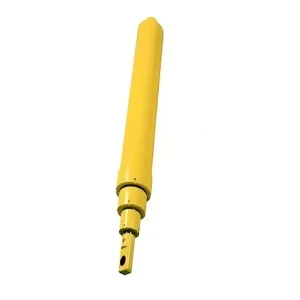
42CrMo Alloy Steel: Features high base material strength. After surface hard chrome plating, it combines exceptional wear and rust resistance, making it the preferred choice for durability requirements.

17-4PH Precipitation-Hardening Stainless Steel: While maintaining very high strength, it provides far superior corrosion resistance compared to chrome-plated steel rods, suitable for environments like seawater, high acidity/alkalinity, or food-grade applications.

3. Piston

45# Steel: Provides robust support and a reliable sealing surface, suitable for the vast majority of standard pressure conditions.

Aluminum Alloy: Enables significant weight reduction, helping to lower the inertia of moving parts and improve system responsiveness and energy efficiency.

4. Sealing System

Nitrile Rubber (NBR): Has good compatibility with mineral oils, is economical and practical, and suitable for standard temperature and pressure ranges.

Polyurethane (PU): Possesses extremely high wear resistance and anti-extrusion capability, offering a long service life. It is the recommended choice for high-pressure, high-frequency, or applications with lateral force conditions.

Parameter
Tilt Hydraulic Cylinder Bore Diameter (mm) Rod Diameter (mm) Stroke (mm) Working Pressure (MPa)
Minimum 100 50 1140 20
Maximum 220 140 1400 30
Service
With 20 years of expertise in hydraulic cylinder manufacturing, MPM serves a diverse range of industries. MPM cylinders are primarily applied across three key sectors:
Construction machinery
Including hydraulic lifting and steering cylinders for equipment such as cranes, forklifts, tractors, loaders, and excavators.
Industrial equipment
Encompassing a variety of hydraulic cylinders, tie-rod cylinders, and compact cylinder designs.
Marine & Offshore Machinery
Supplying heavy-duty cylinders and corrosion-resistant stainless steel hydraulic cylinders.
Customization
We offer customized piston hydraulic cylinder solutions tailored to your specific requirements. To begin the design process, please provide the following technical parameters:
  • Bore Diameter
  • Rod Diameter
  • Stroke Length
  • Operating Pressure
  • Mounting Style
  • Required Force Capacity (in push or pull mode)
Frequently Asked Questions
What applications are underground LHD loader cylinders designed for?
They are engineered specifically for load-haul-dump machines operating in rigorous underground mining and tunneling environments, delivering heavy tilt and lift capabilities under intense shock loads.
What range of working pressures can these cylinders withstand?
Our standard series supports operational pressures from 20 MPa up to 30 MPa, with high-strength alloy constructions suitable for heavy-duty hydraulic circuits.
Can MPM customize hydraulic cylinders for specific machine dimensions?
Yes, through parametric modular engineering, we can adapt bore sizes (100–220 mm), stroke lengths (1140–1400 mm), rod diameters, and mounting styles according to your system parameters.
Which sealing materials are recommended for underground mining use?
Polyurethane (PU) seals are primarily recommended for extreme-pressure, anti-extrusion, and high-wear environments, while Nitrile Rubber (NBR) is suited for standard mineral oil configurations.
How do you prevent hydraulic cylinder leakage and premature failure?
We conduct FEA design verification alongside precision hard-chrome plating and multi-stage seal mechanisms to prevent stick-slip motion, bore distortion, and internal or external hydraulic leaks.

Related Products