1 / 1
Best Garbage Truck Lifting Cylinder Manufacturer, Factory
Product Description
Description
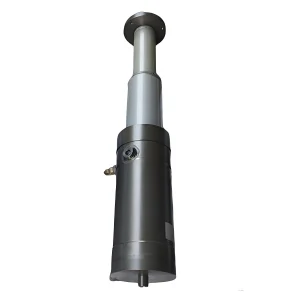
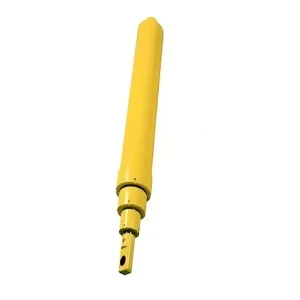
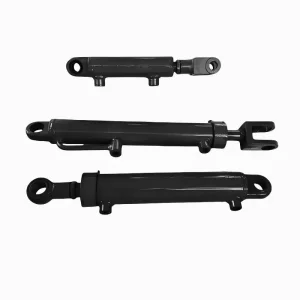
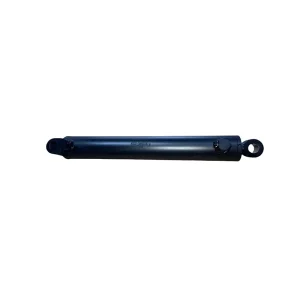
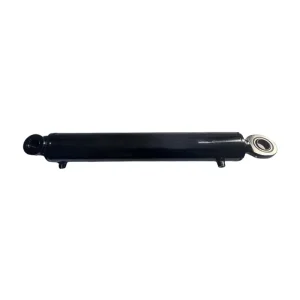
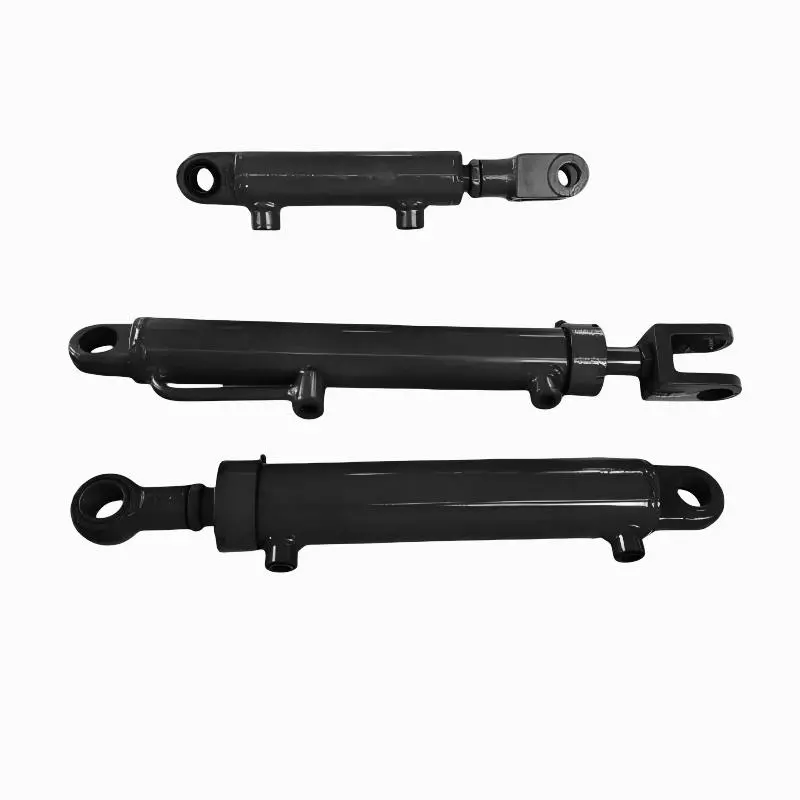
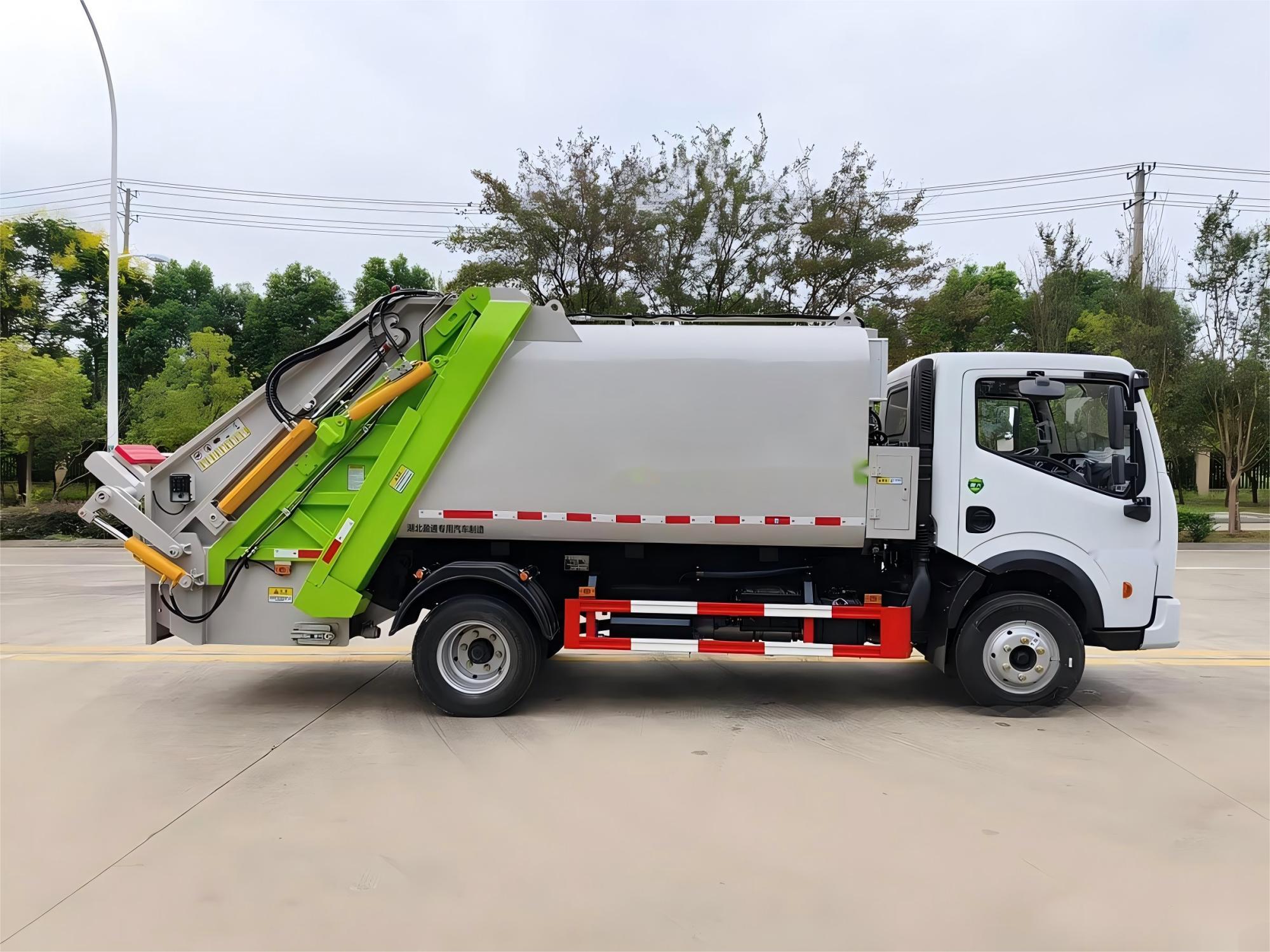
Garbage Truck Lifting Cylinder production accounts for diverse sanitation equipment models and complex hydraulic cylinder structures—including varied bore diameters and stroke lengths. To address this, MPM employs standardized design principles and a modular construction approach. This enables the development of a complete cylinder product range while significantly reducing order fulfillment timelines.
Improved Reliability: Through refined engineering designs and validated sealing systems, failures such as cylinder jolting, operational missteps, unusual noise, internal or external leaks, and plastic deformation are minimized. This increases the operational readiness of Garbage Truck Lifting Cylinders and lowers the possibility of waste overflow during service intervals.
Efficiency Gains: The application of advanced hydraulic integration technologies reduces energy losses within the cylinder and line circuits, decreasing overall power demand. By preventing leaks and related malfunctions, system performance is optimized, supporting a reduction in environmental footprint.
Materials for Product
Cylinder Barrel: 45# steel (quenched & tempered + chrome-plated), 27SiMn alloy steel (high strength), 304 stainless steel (corrosion-resistant)
Piston Rod: 42CrMo (hard chrome-plated), 17-4PH stainless steel (high corrosion resistance)
Piston: 45# steel (standard), aluminum alloy (lightweight)
Seals: NBR nitrile rubber (economical), PU polyurethane (wear-resistant)
Material Selection Guide
Standard conditions: 45# steel barrel + chrome-plated rod + NBR seals
Corrosive environments: Stainless steel barrel + stainless steel rod + PU seals
Lightweight requirements: Aluminum piston + thin-walled barrel design
Parameter
| Model | Bore Size (mm) | Rod Diameter (mm) | Work Pressure (MPa) |
|---|---|---|---|
| Garbage Truck Lifting Cylinder | 70-125 | 45-63 | 20-30 |
Service
With 25 years of expertise in hydraulic cylinder manufacturing, MPM serves a diverse range of industries. MPM cylinders are primarily applied across three key sectors:
Construction Machinery
(Including hydraulic lifting and steering cylinders for equipment such as cranes, forklifts, tractors, loaders, and excavators.)
Industrial Equipment
(Encompassing a variety of hydraulic cylinders, tie-rod cylinders, and compact cylinder designs.)
Marine & Offshore Machinery
(Supplying heavy-duty cylinders and corrosion-resistant stainless steel hydraulic cylinders.)
Customization
We offer customized piston hydraulic cylinder solutions tailored to your specific requirements. To begin the design process, please provide the following technical parameters:
- Bore Diameter
- Rod Diameter
- Stroke Length
- Operating Pressure
- Mounting Style
- Required Force Capacity (in push or pull mode)
Frequently Asked Questions
1. What causes cylinder jolting and noise in lifting operations?
Cylinder jolting and unusual noise typically stem from trapped air within the hydraulic fluid, seal degradation, or internal component misalignment. Using optimized sealing systems and standardized modular engineering minimizes these issues.
2. Which material is recommended for highly corrosive working environments?
For corrosive environments, a stainless steel cylinder barrel paired with a stainless steel rod (such as 17-4PH) and wear-resistant PU (polyurethane) seals is recommended for maximum corrosion resistance and longevity.
3. Can the cylinder dimensions be customized to fit specific equipment?
Yes, custom specifications can be manufactured based on technical requirements, including custom bore diameters (70–125 mm standard range), rod sizes, stroke lengths, and specific mounting interfaces.
4. What is the standard working pressure rating for these lifting cylinders?
The standard operational pressure range is engineered between 20 MPa and 30 MPa, catering to heavy-duty compression and tipping requirements in sanitation equipment.
5. What information is required to receive a custom cylinder quotation?
To configure a design, parameters including bore diameter, rod diameter, stroke length, operating pressure, mounting configuration, and required push/pull force capacity are required.