ODM Sanitation Vehicle Locking Cylinder Suppliers, Manufacturers

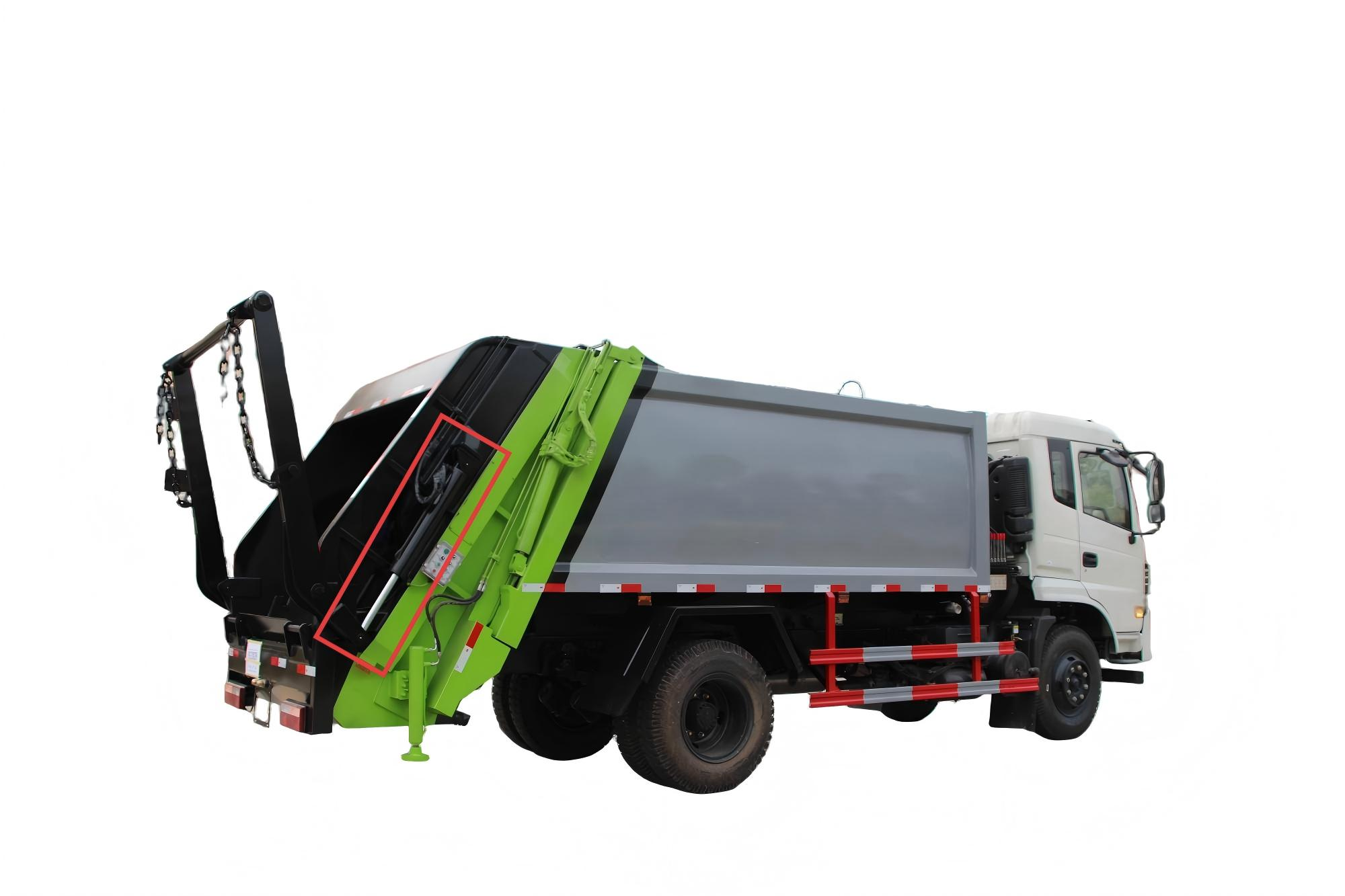
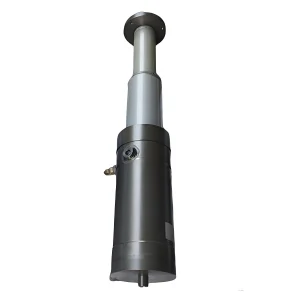
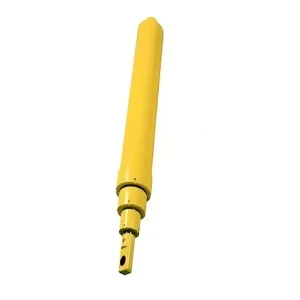
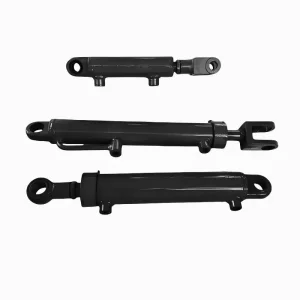
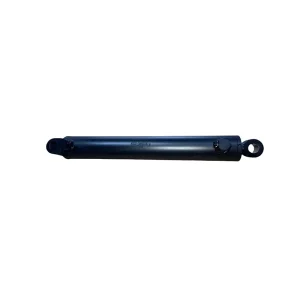
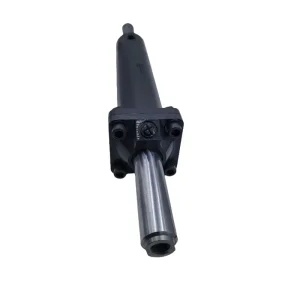
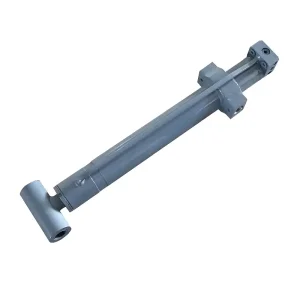
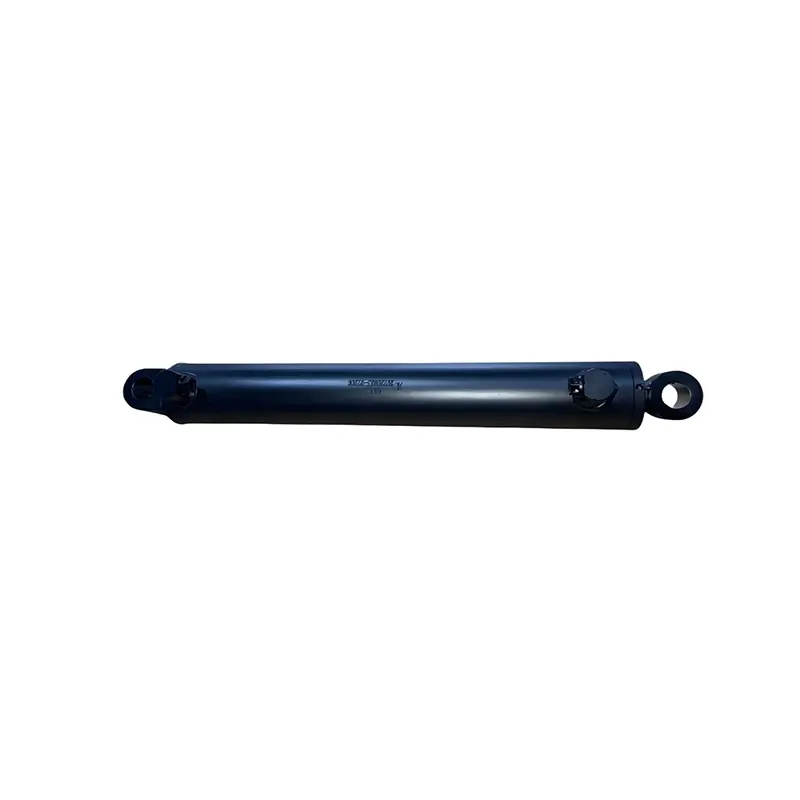
The Sanitation Vehicle Locking Cylinder is a critical hydraulic component in sanitation vehicles, used to securely lock and release compartments or compacting mechanisms. With a compact design and high load capacity, it ensures stable operation under heavy-duty conditions, enhancing safety and efficiency.

Product Description

Description

Sanitation Vehicle Locking Cylinder

The Sanitation Vehicle Locking Cylinder is a vital actuator in specialized sanitation vehicles (e.g., garbage compactors, street sweepers), primarily designed for secure locking and rapid release of operational mechanisms. Constructed with high-strength materials and precision sealing technology, it ensures long-term reliability under frequent starts/stops, vibrations, and heavy loads. Its key functions include preventing accidental compartment openings, stabilizing compacting mechanisms, and adapting to demanding working conditions.

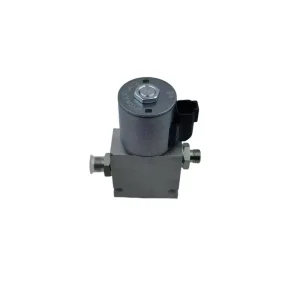
With the trend toward intelligent sanitation equipment, modern locking cylinders increasingly incorporate sensors and electro-hydraulic controls for real-time monitoring and remote operation. Optimized designs reduce energy consumption and maintenance needs while enhancing vehicle automation and operational accuracy, making them a critical component for efficient and safe sanitation operations.

Materials & Engineering Specifications

1. Cylinder Barrel Material
High-Quality Carbon Steel (45# Steel)
Alloy Structural Steel (27SiMn)
Stainless Steel (304/316)
2. Piston Rod Material
Chrome-Plated Alloy Steel (42CrMo)
Stainless Steel Piston Rod (17-4PH)
3. Seal Material & Brands
Materials: Nitrile Rubber (NBR), Fluorocarbon Rubber (FKM), Polyurethane (PU)
Brands: NOK, Parker, MAPKER, SKF, etc.
4. Other Key Component Materials
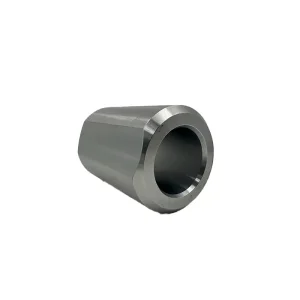
(1) Guide Sleeve: Wear-resistant bronze (ZCuSn10Pb1) or modified polyoxymethylene (POM)
(2) End Cap: QT500-7 ductile iron or 45# steel
(3) Fasteners: Grade 8.8/12.9 high-strength bolts
5. Surface Treatment Processes
Piston Rod: Hard chrome plating (HV≥800) + polishing (Ra≤0.2μm)
Cylinder Bore Interior: Honing (Ra≤0.4μm)
Anti-Corrosion Coating: Dacromet or zinc-nickel alloy plating
6. Maintenance Guidelines
- Seal Replacement: Every 2 years or 500K cycles (Condition-based)
- Oil Cleanliness: NAS 1638 Class 8 or higher
- Corrosion Inspection: Biannual checks for coastal areas

Technical Parameters

Model Bore Size (mm) Rod Diameter (mm) Working Pressure (MPa)
Sanitation Vehicle Locking Cylinder 40-63 22-35 15-30

Applications & Industry Services

25 years of experience in hydraulic cylinder manufacturing.

MPM cylinders are mainly used in:

Construction Machinery
Hydraulic lifting cylinders and steering cylinders for cranes, forklifts, tractors, loaders, and excavators.
Industrial Equipment
Hydraulic cylinders, tie rod cylinders, and compact cylinders for diverse manufacturing systems.
Ships & Offshore Machinery
Heavy cylinders and corrosion-resistant stainless steel hydraulic cylinders for maritime operations.

Customization Capabilities

If you provide the following technical parameters, we can design and customize piston hydraulic cylinders precisely tailored to your operational needs:

  • Bore
  • Rod Diameter
  • Stroke
  • Working Pressure
  • Installation Type
  • Push or Pull Back Capacity

Frequently Asked Questions (FAQ)

1. What is the standard operating pressure for sanitation vehicle locking cylinders?
The standard operating pressure typically ranges between 15 and 30 MPa, engineered to ensure tight locking even under dynamic transport loads and continuous vibration.
2. Which seal brands are utilized to ensure leak-free performance?
We integrate world-renowned sealing systems such as NOK, Parker, MAPKER, and SKF, using NBR, FKM, or Polyurethane (PU) depending on application temperature and fluid properties.
3. How often should the hydraulic seals be inspected and replaced?
Seals are recommended for condition-based replacement every 2 years or 500,000 cycles. Routine checks should also verify NAS 1638 Class 8 oil cleanliness.
4. Can locking cylinders be customized for non-standard mounting configurations?
Yes, custom parameters including bore size, stroke length, rod diameter, pin-to-pin distance, and specific mounting interfaces can be precision engineered to match vehicle blueprints.
5. What surface treatments are used to prevent rust in harsh working environments?
Piston rods receive hard chrome plating (HV≥800) with Ra≤0.2μm finish, the cylinder bore is honed to Ra≤0.4μm, and external surfaces are treated with Dacromet or zinc-nickel alloy plating for anti-corrosion protection.

Related Products