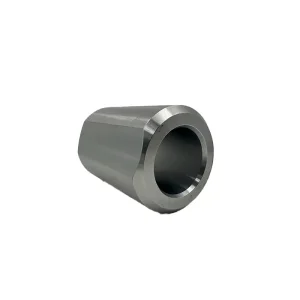
Precision Retention Knobs & Tooling Portfolio
Explore our heavy-duty hydraulic assemblies, specialized valve manifolds, and certified pull studs engineered in Qingdao, China.
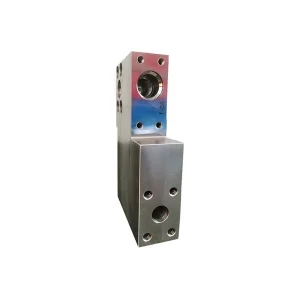
High-Quality T2A Hydraulic Relief Valve Block MPM-HRVB2A Manufacturers, Factory
View Details →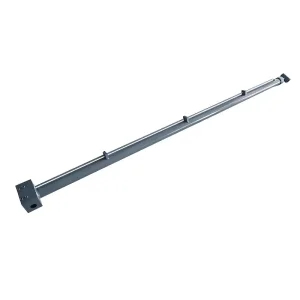
Custom Telescopic Cylinder HCT403 Manufacturer, Factories
View Details →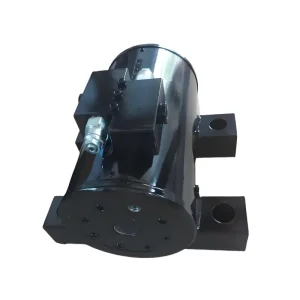
Cheap Rotary Actuator HCR801 Suppliers, Supplier
View Details →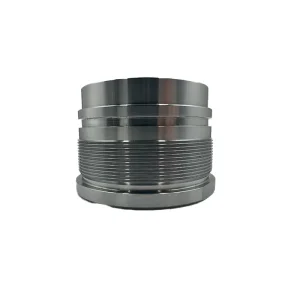
High-Quality Hydraulic Cylinder Head MPM-HCHD11 Suppliers, Manufacturer
View Details →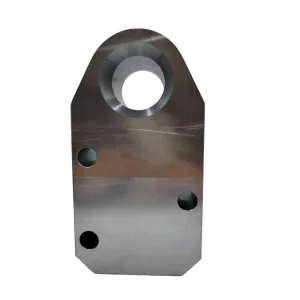
Custom Integrated Cylinder Barrel MPM-HCIB11 Supplier, Manufacturers
View Details →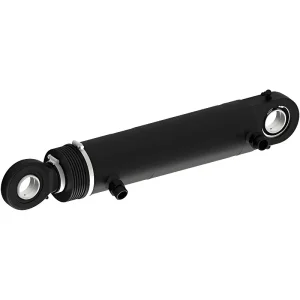
Wholesale Suspension Cylinder Suppliers, Manufacturers
View Details →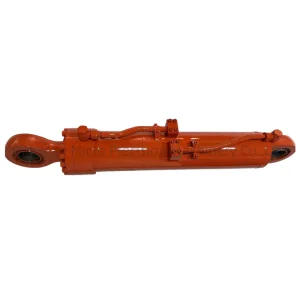
Best Underground LHD Lift Cylinder Supplier, Factories
View Details →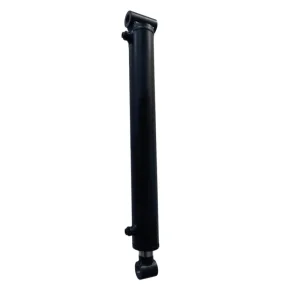
High-Quality Lifting cylinder HCL602 Factories, Factory
View Details →The Global Commercial & Technical Landscape of CNC Retention Knobs
Analyzing the crucial mechanical interface that dictates high-speed machining safety, spindle life, and runout accuracy across modern subtractive manufacturing.
In high-speed CNC milling and 5-axis vertical machining centers (VMC), the CNC Retention Knob (Pull Stud) represents the single point of failure between a multi-ton machine structure and the high-speed rotating tool assembly. Operating under drawbar retention forces ranging from 8 kN to upwards of 45 kN, and spinning at angular velocities from 12,000 to over 30,000 RPM, this seemingly simple component bears extreme mechanical tensile loads, dynamic thermal cycles, and rotational centrifugal forces.
Historically overlooked as a standard consumable, premature pull stud failure or microscopic axial taper distortion is now recognized by global production engineers as the leading cause of spindle taper bell-mouthing, tool chatter, premature carbide tool chipping, and catastrophic spindle seizure. Sourcing precision-ground, fatigue-resistant pull studs from qualified Chinese manufacturing hubs like Qingdao has fundamentally altered global manufacturing balance sheets by offering aerospace-grade metallurgical compliance at unmatched scale.
Metallurgical Engineering
Fabricated exclusively from low-carbon alloy structural steels (such as 20CrMnTi, 8620, or SCM415). Controlled carburizing creates a dual-layer structure: an ultra-hard surface resisting continuous mechanical wear from gripper jaws, combined with a tough, ductile inner core absorbing high shock loads during aggressive interrupted milling.
- Case depth: 0.8mm – 1.2mm
- Core toughness: 32–38 HRC
- Zero micro-crack propagation
Thread Relief & Expansion Control
Standard retention knobs expand the small end of 7:24 steep tapers when torqued incorrectly, generating taper bulging and tool holder runout. Advanced Chinese factories utilize precision rolled threads with stress-relief undercuts and pilot guide shoulders, ensuring uniform clamping pressure without spindle sleeve expansion.
- Thread class: Metric 6g / Imperial 2A
- Precision rolled grain flow
- Coolant-thru bore sealing grooves
International Standard Adherence
Global multi-axis CNC machines depend on strictly standardized pull stud geometry. Leading Chinese manufacturers deliver 100% interchangeable pull studs meeting international machine spindle interfaces, with full compatibility across tooling systems.
- JIS B6339 (MAS 403 BT30, BT40, BT50)
- DIN 69872 (ISO 7388/2 Form A & B)
- CAT ANSI B5.50 (40 / 50 Taper)
Why Tier-1 Machining Centers Source Pull Studs from China
Combining end-to-end industrial supply chain integration with modern automated multi-axis grinding and stringent zero-defect quality validation.
Vertically Integrated Steel
Access to world-class certified billet metallurgy. Direct relationships with regional steel mills guarantee traceably vacuum-degassed alloy steel stock free from sulfur inclusions, reducing core fatigue fractures.
Automated Multi-Axis Cells
Swiss-type turning and CNC centerless form-grinding operate under single-setup clamping cycles. Flange surfaces, gripping angles, and threads achieve perfect geometric concentricity under 0.003mm total runout.
Full Inspection & Batch Tracing
Every batch undergo 100% magnetic particle flaw detection (MPI), optical profile shadowgraph checks, and destructive tensile testing up to spindle drawbar overload conditions to prevent catastrophic workshop accidents.
Cost-to-Precision Ratio
Achieving DIN/JIS precision grades with a 40-60% economic advantage over European or domestic Japanese tooling suppliers. OEM buyers scale toolroom inventories while reducing per-hour tooling depreciation.
| Standard Type | Applicable Machine Tool Standards | Primary Retention Angles | Coolant Mechanism Options | Key Industrial Applications |
|---|---|---|---|---|
| JIS B6339 (MAS 403) | BT30, BT40, BT50 Taper Spindles | 15°, 30°, 45°, 60°, 90° Head Angles | Central Thru-Hole, O-Ring Sealed, Solid | Japanese/Asian CNC Mills, Automotive Production Lines |
| DIN 69872 (ISO 7388/2) | SK40, SK50, DIN Taper Interfaces | 15° Clamping Shoulder with Relief | Drilled with High-Pressure Coolant Seals | European 5-Axis Milling Centers, Aerospace Airframes |
| ANSI / CAT B5.50 | CAT 40, CAT 50 Machine Tool Spindles | 45°, 60°, 90° Clamping Geometry | Imperial Threads (5/8"-11, 1"-8) / Metric Mixed | North American Heavy Equipment, Mold & Die Toolrooms |
| ISO 7388/2 Form B | Universal ISO Steep Taper Systems | 45° Undercut Design for Ball Grippers | High Pressure Coolant delivery up to 70 Bar | Precision Medical Instrument & Die Machining Cells |
High-Stress Operational Environments
Where micron-level retention stability translates into finished component yield and zero unplanned downtime.
Aerospace Titanium & Inconel Machining
Deep pocketing and dynamic trochoidal milling in superalloys generate continuous harmonic vibrations. High-integrity pull studs ensure maximum surface contact between toolholder taper and spindle bore, eliminating tool pull-out and protecting multi-million dollar turbine disc components.
High-Volume Automotive Engine Blocks
Operating in 24/7 robotic production lines with automatic tool changers (ATC) cycling every 15 to 30 seconds. Carburized retention knobs provide exceptional impact-head resistance against gripper arm claws, preventing mechanical galling and tool dropping during high-speed exchanges.
Large Injection Mold & Die Surface Finishing
Micro-milling mirror surfaces on hardened tool steels (52+ HRC) demands total runout under 2 microns. Properly tensioned pull studs eliminate taper micro-shifting, preventing chatter marks on critical automotive headlight lens and cosmetic electronic enclosure molds.
Emerging Trends in CNC Tool Clamping Systems
The transition toward smart machining cells, ultra-high-pressure internal coolant, and expansion-free retention geometry.
70+ Bar High Pressure Through-Spindle Coolant
Modern chip evacuation demands coolant pressures exceeding 70 to 100 bar directly through the cutting zone. Modern retention knobs incorporate specialized internal sealing bores with fluorine/HNBR O-ring seats, eliminating high-pressure blow-by that washes grease out of critical spindle bearings.
Expansion-Free Non-Bulge Tooling
When torqued to specified specs (e.g., 60-80 Nm for BT40), standard pull studs can swell the small end of the taper by 2 to 5 microns, preventing full contact with the spindle. Next-generation Chinese designs feature specialized pilot lengths and undercut stress-relief geometries that route axial forces downward, preserving pure 7:24 taper geometry.
RFID Chip Integration & Digital Tool Management
Industry 4.0 production environments require continuous tracking of tool life cycles. Modern Chinese retention knob manufacturers now engineer specialized base cavities to embed Baluff or standard ISO RFID chips, logging individual clamping cycles, operating hours, and maintenance alerts for predictive replacement.
Global Sourcing Guide: Auditing a Chinese Pull Stud Factory
Key parameters international procurement managers must mandate when qualifying Chinese manufacturing partners.
Purchasing managers sourcing CNC accessories and precision components must go beyond price evaluation to analyze manufacturing process controls. Below are four non-negotiable inspection criteria required when issuing technical tenders for high-speed retention knobs:
1. Material Certificates
Demand EN 10204 3.1 material test reports certifying exact chemical compositions (Cr, Mn, Ti content) and vacuum-degassing procedures. Counterfeit steels or basic structural carbon steels (like #45 steel) shear under drawbar tension, causing catastrophic spindle crashes.
2. Dual Hardness Verification
Ensure the manufacturer runs controlled batch carburizing furnaces with documented metallurgical cross-sections. Surface hardness must measure 58-62 HRC for wear resistance, while core hardness remains 32-38 HRC to prevent brittle snapping.
3. Thread Grinding & Rolling
Threads cut with standard single-point lathe tools create stress concentration points at the thread roots. Require precision cold-rolled threads followed by heat treatment and black oxide or cryogenic passivated coatings for superior fatigue resistance.
4. Dynamic Runout Testing
Verify that pilot diameters, clamping flange faces, and angular locking heads are ground in a single centerless or cylindrical grinding operation to maintain concentricity within 0.003mm (0.00012") TIR relative to the thread axis.
Expert Engineering Q&A: CNC Retention Knobs & Machining Tooling
Direct answers from our senior tooling application engineers addressing field installations, torque parameters, and standard interchanges.
Explore Additional Factory Direct Components
From JIS B6339 retention knobs and ER collet arbors to specialized hydraulic excavation actuators built to custom OEM drawings.
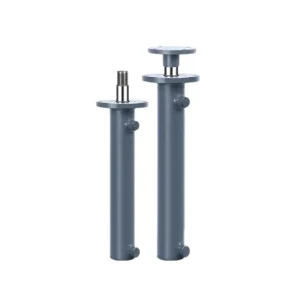
ODM Outrigger Hydraulic Cylinder MPM-OHC12 for Crane Supplier, Factory
View Details →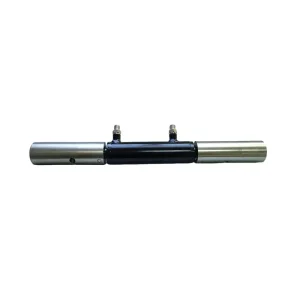
ODM Quick Change Cylinder MPM-HCQ501 Suppliers, Factory
View Details →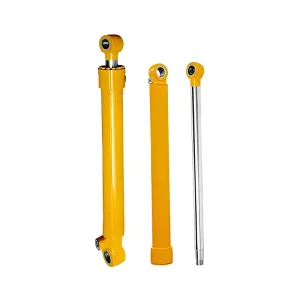
China Small Excavator Stick Cylinder Suppliers, Manufacturers
View Details →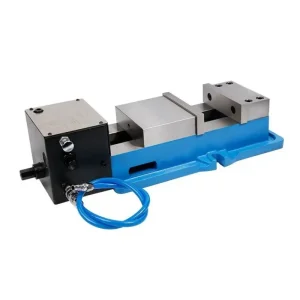
Custom Pneumatic Hydraulic Vise Suppliers, Manufacturer
View Details →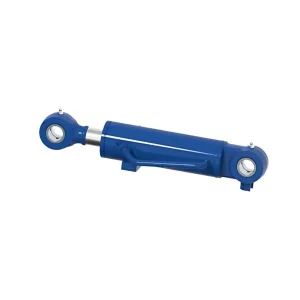
ODM Small Excavator Bulldozing Cylinder Manufacturers, Manufacturer
View Details →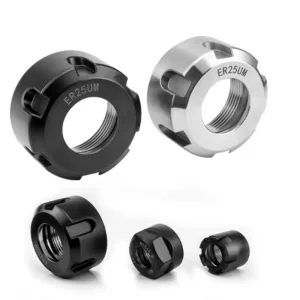
OEM ER Collet MPM-EN0072 Suppliers, Factories
View Details →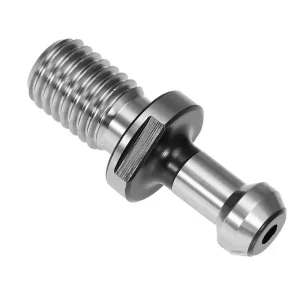
Best Retention Knob JIS B6339 Manufacturer, Factory
View Details →