
Primary Compact Excavator & Loader Assemblies
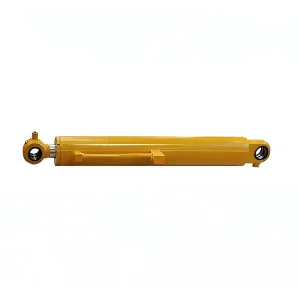
Engineered to handle severe cyclic pressure, high-frequency shock, and tight clearance envelopes in 0.8-ton to 9.0-ton micro-excavation equipment.
Mini Excavator Industry Trends: Electrification, Digital Hydraulics & Zero-Tail Envelopes
The compact earthmoving sector is moving through a fundamental engineering paradigm shift. As urban job sites demand zero emissions and microscopic tail swings, hydraulic powertrain architecture must evolve to deliver higher volumetric efficiency in smaller physical spaces.
Electro-Hydraulic Actuation (EHA) & Battery Duty Cycles
Mini excavators powered by 48V to 96V lithium-iron-phosphate (LiFePO4) systems require hydraulic cylinders with ultra-low breakout friction. In conventional diesel equipment, thermal power losses from seal stick-slip are ignored; in electric mini excavators, internal friction directly eats away battery range. Leading manufacturers now specify multi-lip polyurethane step-seals paired with diamond-burnished piston rods (Ra < 0.15 µm) to achieve 96%+ mechanical efficiency.
Zero-Tail Swing (ZTS) & Integrated Manifold Geometries
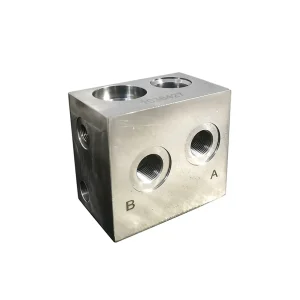
With super-compact excavators operating inside a 360-degree slew ring no wider than their rubber tracks, traditional external hydraulic plumbing has reached its physical limit. Next-generation booms utilize integrated valve blocks directly mounted to cylinder head-caps, eliminating external high-pressure hosing vulnerable to snagging while excavating foundation footings adjacent to masonry walls.
Smart Sensors & Real-Time Load Sensing Architecture
Modern mini excavators utilize variable-displacement axial piston pumps driven by CAN-bus load-sensing spools. Cylinders are increasingly integrated with embedded linear position transducers and thermal sensors. This telematics feedback loop informs anti-stall algorithms, automated grade assist, and predictive seal-life monitoring, drastically reducing unexpected hydraulic downtime.
Global B2B Purchasing Intent: Engineering Criteria & TCO Analysis
Procurement directors and heavy machinery brand managers evaluate tier-one suppliers through strict metallurgical, geometric, and total ownership cost frameworks rather than sticker price alone.
Total Cost of Ownership (TCO) Decomposition
In high-utilization rental fleets and commercial construction, initial component procurement price accounts for merely 18% of a hydraulic actuator's lifetime operational cost. Fluid leakage, unplanned rod scoring, premature gland seal blowouts, and pin eye-bush deformation contribute to catastrophic field replacement expenses.
- Seal Integrity Under Cyclic Pressure Spikes: Utilization of Hallite and Parker buffer rings rated for 400 bar surge spikes during rock-breaking chisel operations.
- Weld Seam Fatigue Threshold: Submerged arc and automated orbital robotic welding inspected via Ultrasonic Testing (UT) to prevent trunnion ear cleavage under asymmetric side loads.
- Chrome Deposition Density: Induction hardened rod substrate (HRC 52-58) with minimum 25-30 µm hard chromium plating ensuring 500+ hours ASTM B117 neutral salt spray resistance.
Technical Qualification & Supplier Audit Benchmarks
Before issuing master purchase contracts, global OEMs run rigorous qualification protocols on supplier manufacturing infrastructure. Micro Precision Machinery (MPM) implements comprehensive process controls conforming to European and North American engineering standards:
- Dimensional Interchangeability: 100% Coordinate Measuring Machine (CMM) verification ensuring zero deviation on pin-to-pin retracted centers and bushing press-fits.
- Fluid Contamination Standards: Post-assembly flushing verified to ISO 4406 cleanliness class 17/15/12, protecting fine-clearance proportional spool valves.
- Proof-Pressure Hydrostatic Testing: 1.5x working pressure static holding test with zero allowable internal bypass or external weeping across a 180-second dwell period.
| Evaluation Parameter | Commodity Aftermarket Cylinders | Tier-1 OEM Specification Standards | Micro Precision Machinery (MPM) Standard |
|---|---|---|---|
| Cylinder Barrel Steel | ST52 / Commercial Grade DOM | E355 + SR / Cold Drawn Seamless | 27SiMn / E355 Quenched & Tempered (Yield > 520 MPa) |
| Piston Rod Core Treatment | Cold Drawn 1045 unhardened | Induction Hardened CK45 / 40Cr | Medium Frequency Hardened 42CrMo (HRC 55±3, Depth 2-3mm) |
| Internal Surface Honing | Ra 0.40 - 0.60 µm Skived | Ra 0.20 - 0.40 µm Cross-Honed | Ra ≤ 0.20 µm Plateau-Honed (Optimized Oil Retention) |
| End Cushioning Architecture | No cushion / basic rubber buffer | Fixed spear cushion (Base only) | Self-Centering Floating Cushioning Rings (Head & Base) |
| Thread Machining Precision | Standard commercial tolerance | ISO 6H / 7H Precision Threading | ISO 6H Class with micro-relief relief radii to eliminate notch fatigue |
China Industry 4.0: Modern Manufacturing, Clustering & Supply Chain Resilience
How the integration of precision CNC tooling, metallurgical clustering, and digitalized quality engineering makes Qingdao a primary hub for global compact machinery hydraulic systems.
Integrated Tooling & Machining Ecosystem
Unlike standalone assembly workshops that outsource crucial milling, Qingdao Micro Precision Machinery (MPM) maintains in-house CNC tool manufacturing—including ER milling arbors, retention studs, and precision vises. Machining the very tooling utilized on hydraulic cylinder heads, pistons, and valve manifolds provides micron-level control over bore concentricity, thread squareness, and seal gland geometry.
Geographic Supply Chain Clustering in Shandong
Situated within the Shandong advanced heavy machinery corridor, MPM operates alongside heavy forging mills, precision chrome-plating lines, and specialty alloy steel tube stockyards. This localized cluster eliminates multi-week transit bottlenecks for raw billets (27SiMn / 42CrMo), allowing prototype turnarounds within 12 days and consistent scale production throughput of 20,000+ units monthly.
Agile Digitalized Reverse Engineering
Global equipment dealers frequently face discontinued parts or exorbitant OEM markups. MPM utilizes 3D optical scanning, spectral alloy analyzers, and coordinate gauging to reverse engineer damaged samples or legacy drawings. We deliver fully documented 2D/3D CAD approval packages within 48 hours, providing immediate drop-in replacement solutions for international machinery lines.
Regional Operating Realities: Tailored Hydraulic Configurations
A mini excavator operating in Scandinavian winter forestry demands fundamentally different seal chemistry and thermal clearances than one trenching in Australian arid quartzite.
North America & Europe: Urban Utility & Trenching
Stringent city emission and noise laws make ultra-compact, high-pressure hydraulics mandatory. Compact machines work inside tight residential corridors digging optical fiber and sewer lines. Boom and stick cylinders require integrated hose-burst velocity fuses and pilot-operated check valves to avoid accidental drop over live gas mains.
Japan & Asia: Interior Demolition & Underpinning
1.0-ton electric mini excavators maneuver through 800mm commercial doorway clearances. Cylinders operate with synthetic fire-resistant ester fluids (HEES) demanding customized fluorocarbon (FKM) and PTFE seal packages that resist aggressive chemical breakdown under elevated operating temperatures.
Australasia: Precision Viticulture & Agriculture
Mini excavators and compact loaders in vineyards and orchards operate constantly with heavy hydraulic mulchers, augers, and tiltrotators. This high-frequency dynamic loading generates continuous fluid heat cycles, requiring finned manifold heat dissipation and hardened steel spherical bushings at rod ends.
Emerging Infra: Drainage & Road Widening
Subtropical Southeast Asian and Latin American infrastructure projects expose machines to abrasive silica mud, gravel, and unpaved riverbeds. MPM builds double-lip polyurethane rod wipers with metallic outer cases to scrape fine silt clean off the chrome rod, preventing abrasive contaminant entry into the hydraulic tank.
Engineering & Procurement FAQ for Mini Excavator Cylinders
Direct answers from our senior hydraulic systems engineering team regarding technical specifications, interchangeability, metallurgy, and global supply agreements.
What technical parameters are needed to quote custom mini excavator cylinders?
To prepare an accurate engineering drawing and quotation within 24 hours, our technical office requires: (1) Internal bore diameter, (2) Piston rod diameter, (3) Net stroke length, (4) Pin-to-pin closed (retracted) center dimension, (5) Maximum continuous working and relief pressures, (6) Pin-eye mounting details including bushing inner diameter and grease port orientations, (7) Fluid port sizing and thread standards (e.g., SAE O-Ring Boss, Metric ORFS, or BSPP), and (8) Operating duty cycle or anticipated operating environment (e.g., coastal marine, rock breaker attachment, or sub-zero forestry). If available, an existing 2D/3D CAD drawing (STEP, DWG, PDF) or high-resolution nameplate photo will accelerate review.
How does MPM resolve internal leakage and rod seal failure on mini excavator boom cylinders?
Boom cylinders bear the primary dynamic lifting mass and sustain sudden deceleration spikes when digging strikes boulders. MPM addresses this through three specific design measures: First, we incorporate a multi-piece sealing system consisting of a nitrile-energized PTFE primary step seal and a secondary U-cup polyurethane seal with integrated anti-extrusion POM backup rings. Second, our CNC precision-honed barrels maintain a controlled plateau cross-hatch finish (Ra 0.15 - 0.25 µm), ensuring a persistent lubricating microscopic oil film without weeping. Third, our boom assemblies integrate floating cushion sleeves at the base and head that progressively throttle fluid discharge during the final 15mm of stroke travel, preventing destructive metal-on-metal impact.
Can MPM reproduce direct replacement cylinders for international OEM excavators?
Yes. Over the past 19 years, MPM has developed an extensive technical library of pin-to-pin mounting dimensions, port displacements, and load geometries compatible with popular compact excavators (including Kubota, Yanmar, Bobcat, Takeuchi, Caterpillar, and Komatsu models). When an OEM part number is discontinued or backordered, clients can send a worn sample or machine chassis specification. Our engineering team conducts coordinate measurement, verifies tensile strength, models the replacement in 3D CAD, and submits an approved blueprint before steel is cut. Interchangeability is 100% guaranteed in writing.
What surface treatment and plating standards are applied to protect against rust and scoring?
Every piston rod is turned from high-tensile 40Cr or 42CrMo alloy steel, followed by medium-frequency induction hardening reaching an effective case depth of 1.5 to 3.0 mm and a surface hardness of HRC 52–58. The rod then receives an electrolytically deposited micro-crack hard chromium layer of 25 to 35 µm thickness, followed by multi-pass precision superfinishing. This process guarantees survival exceeding 500 hours under ASTM B117 Neutral Salt Spray (NSS) testing (Rating 10 per ISO 10289). For extreme corrosive or coastal environments, we provide optional Nickel-Chrome double plating or QPQ liquid nitriding treatments.
What is the minimum order quantity (MOQ) and lead time for custom batch manufacturing?
For custom OEM/ODM prototypes and pre-series testing, our MOQ is 1 to 5 units, allowing equipment builders to validate clearance and pressure drop before full commitment. For standard serial production, batch volumes typically range from 20 to 500 units per delivery release. Prototype engineering samples are typically completed within 15–20 business days after drawing sign-off; standard recurring containerized orders ship within 30 to 35 days from our Qingdao manufacturing base, which is located less than 40 km from Qingdao International Port.
Does MPM supply separate individual hydraulic cylinder components to cylinder rebuilders?
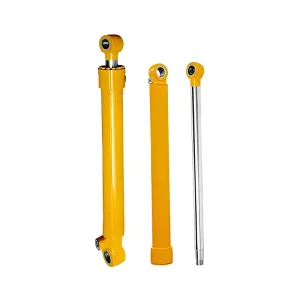
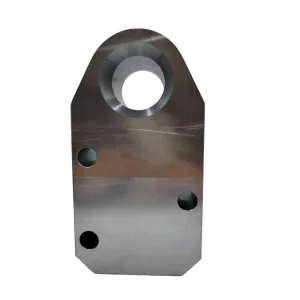
Yes. A substantial share of our production capacity is dedicated to supplying aftermarket cylinder remanufacturers, hydraulic repair centers, and equipment dealers. We supply fully machined gland heads (ductile iron QT500-7 or 45# steel), precision pistons with integrated wear rings, forged clevis base ends, CNC-threaded lock nuts (ISO 6H tolerance), integrated monoblock barrels, counterbalance/relief valve blocks, and precision spherical plain bearings (GE series). All components are delivered degreased, oiled, and individually crated to prevent transit thread damage.
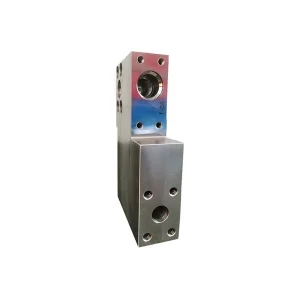
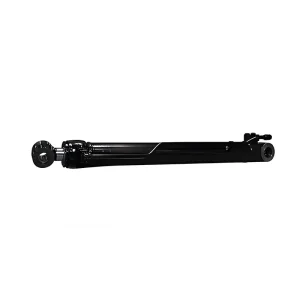
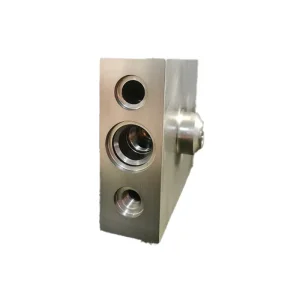
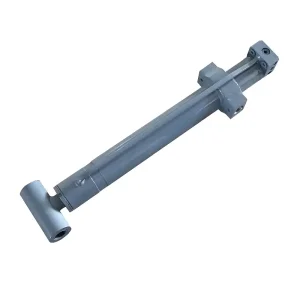
Precision Hydraulic Manifolds & Heavy-Duty Actuators
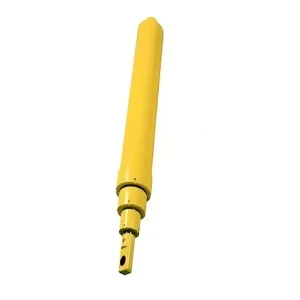
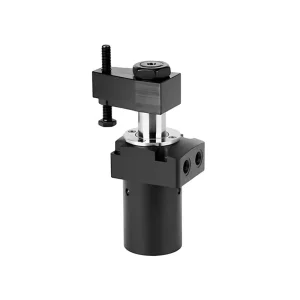
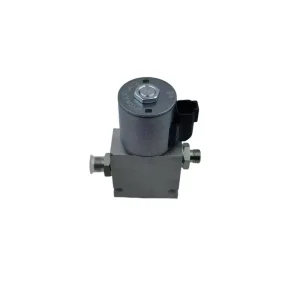
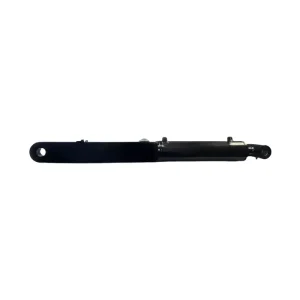
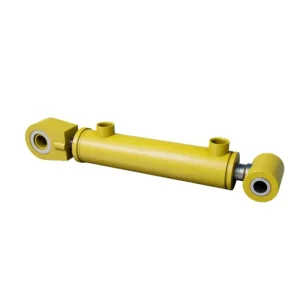
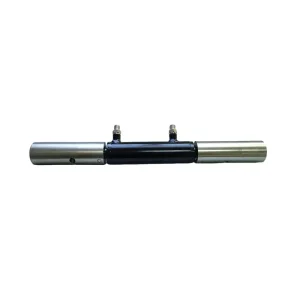
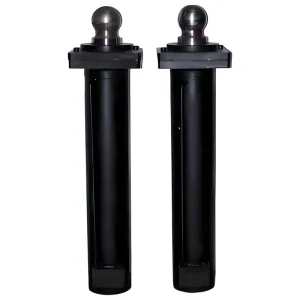
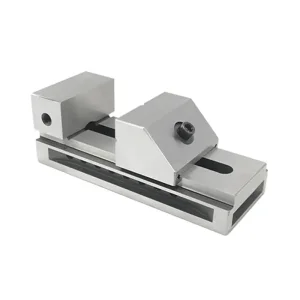
Modular valves, counterweight cylinders, high-precision arbors, and bucket actuators designed for demanding earthmoving and machine tool duty cycles.
Partner with a Verified Tier-1 Hydraulic Engineering Hub
Whether you require an immediate quote on custom-designed boom cylinders, manifold blocks, or sample-based OEM reverse engineering, our Qingdao engineering team replies within 24 hours with complete CAD models, manufacturing routing, and FOB/CIF volume pricing.