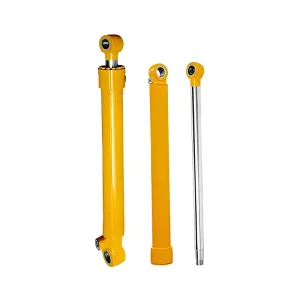
High-Performance Actuation Components & Assemblies
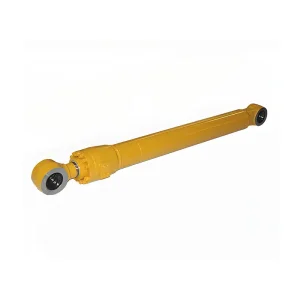
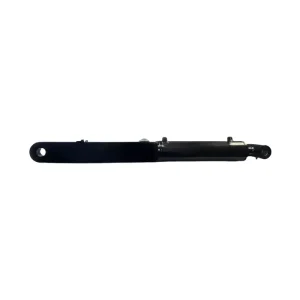
Explore our foundational hydraulic assemblies, engineered with micron tolerances, precision-ground chrome plating, and verified for rugged operating cycles.
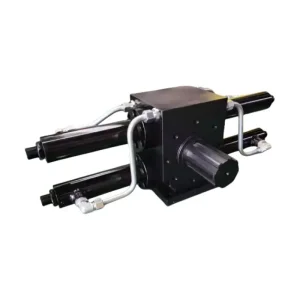
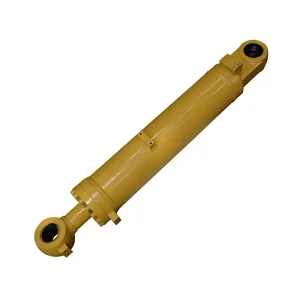
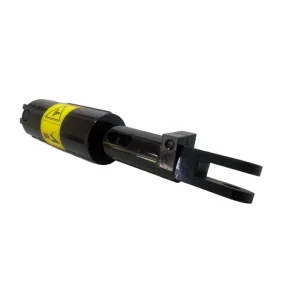
Macro Dynamics in Global Telescopic Actuation
A comprehensive examination of engineering shifts, electrification requirements, and high-frequency deployment trends redefining vehicular chassis architectures.
Compact Footprint vs. Extended Stroke
Modern haulage and utility chassis demand long-throw lifting capacities while maintaining ultra-low retracted profile heights. Telescopic staging allows multi-sleeve expansion, preserving structural balance without encroaching upon critical driveline spaces.
Electrification & Higher Pressure Thresholds
As commercial commercial fleets migrate toward hybrid and full-battery architectures, hydraulic power consumption must be minimized. Operating pressures are pushed from legacy 16–21 MPa standards up to 28–35 MPa to achieve lighter systems with smaller bore footprints.
Severe Duty Thermal & Particulate Resilience
From sub-zero mining tundra to scorching desert construction arenas, chassis cylinders endure high side loads, abrasive particulate contamination, and direct slurry impingement, necessitating multi-lip composite wiping and advanced thermal sealing systems.
Structural Metallurgy & Stage Sequencing Physics
Eliminating pressure spikes, column deflection, and seal rollover in 2-stage to 5-stage customized chassis cylinders.
Controlled Sequential Extension
Telescopic operation requires progressive expansion from the largest bore sleeve down to the smallest. Micro Precision calculates hydraulic resistance ratios precisely to avoid erratic intermediate stage jumps that generate dangerous structural shockwaves.
Anti-Buckling Guide Bearings
At full extension, side loads create bending moments on the outer stages. We incorporate wear-resistant bronze or composite guide bands with specialized lubrication reservoirs, avoiding metal-to-metal galling even under dynamic vehicle tilt angles.
Low-Friction Polyurethane & PTFE Packs
Using precision-engineered stepped seals, PTFE buffer elements, and active double-lip scrapers, MPM chassis cylinders prevent hydraulic fluid weeping, even in continuous cyclic vibration and high-velocity chassis flexing.
China Factory 4.0: Supply Chain Resilience & Micron Precision
How Qingdao Micro Precision Machinery converts digital CAD/CAM inputs into mass-customized industrial cylinders with minimal cycle times and zero-defect consistency.
In-House CNC Horizontal & Vertical Centers
All cylinder heads, trunnions, spherical mounts, and pistons are machined internally using precision multi-axis CNC centers. We eliminate tier-two supplier latency and uphold strict concentricity across all sleeve guide rings.
Robotic Skiving, Burnishing & Honing
Seamless steel tubes undergo specialized skiving-roller burnishing processes, yielding high compressive residual surface stress and mirror-smooth bore finishes. This dramatically reduces seal friction, lowers operating temperatures, and prolongs total operational lifespans.
Full In-Line Hydrostatic Testing
Every single telescopic assembly is mounted on automated digital test benches. We log holding pressure, internal bypass rates, stage extension velocity, and port seal integrity before components enter the automated painting and export anti-corrosion packaging lines.
Localized Applications & Field Duty Cycles
Tailored structural configurations engineered to solve exact equipment challenges across world geographies.
Heavy Dump Truck Tipping
Multi-stage underbody and front-end tipping cylinders subjected to high off-center forces when discharging aggregate on uneven surfaces. Features high yield strength and integrated relief dampening.
Mining Transporters & LHD
Underground chassis actuators working in acid water and heavy dust. Multi-stage systems rely on heavy-gauge hard chrome plating and corrosion-proof seals to withstand severe mine environments.
Agricultural Spreaders & Trailers
Seasonal machines operating intermittently but demanding complete reliability. Cylinders are treated with salt-spray resistant coatings and customized stroke limiters to fit low-profile tractor draws.
Demountable Waste Compactors
High-cycle sanitation chassis systems requiring fast retraction speeds, integrated counterbalance manifolds, and structural resistance to corrosive organic run-offs and continuous municipal shock loads.
The MPM Customization Workflow: Concept to Mass Delivery
A predictable, ISO 9001-guided engineering pathway ensuring each ODM requirement translates to a fully documented, interchange-validated product.
01. Envelope & Kinematics Audit
Review of closed center distances, pin eyes, port connections, stage stroke allocations, and chassis interference clearances against your CAD step models.
02. Hydraulic Load Modeling
Calculation of operating forces across each sleeve stroke, identifying potential column buckling thresholds, cavitation zones, and thermal dissipation rates.
03. Prototype Rapid Machining
Manufacturing of first-run evaluation units on CNC lathes, complete with certified material chemical analysis and dimensional coordinate measuring reports (CMM).
04. Serialized Production & Export
Full batch production with automated tracking, anti-rust preservation, export wooden crating, and direct multimodal logistics shipping from the Port of Qingdao.
Frequently Asked Sourcing & Engineering Questions
Straightforward answers regarding tolerances, testing regimes, custom specifications, and lead-time frameworks.
What critical data is mandatory to quote a custom telescopic cylinder?
We require the number of stages, bore diameter per sleeve, individual and total stroke lengths, pin-to-pin closed (retracted) length, maximum working pressure, mounting geometries (e.g., cross-tubes, trunnions, spherical eyes), port thread standards (SAE, BSPP, or Metric), and fluid compatibility parameters.
How do you ensure sleeves do not stick or extend out of sequence?
Our engineering team models internal flow porting and seal friction coefficients across each sleeve assembly. Precision-matched clearances, pressure-balanced feed channels, and low-hysteresis guide strips guarantee controlled step-by-step telescopic expansion under dynamic load.
Can you manufacture replacement cylinders matching worn-out OEM units?
Yes. By dispatching a physical sample or detailed dimensional drawing to our Qingdao facility, our engineers measure and prepare complete fabrication drawings with exact mounting and port interchanges, confirmed in writing prior to metal cutting.
What anti-corrosion plating specifications are applied to exposed stage sleeves?
Our standard process utilizes precision micro-crack hard chrome plating with a minimum thickness of 25–30 μm per side, passing rigorous 96-hour neutral salt spray tests (ASTM B117). Optional nickel-chrome or QPQ coatings are available for extreme corrosive duty.
What are the typical lead times for custom prototypes versus production batches?
Standard design verification and prototype machining typically conclude in 3 to 4 weeks. Serial production runs generally ship within 30 to 45 days, supported by efficient multimodal rail and ocean export from Qingdao port.
Integrated Actuators, Valves & Tooling Accessories
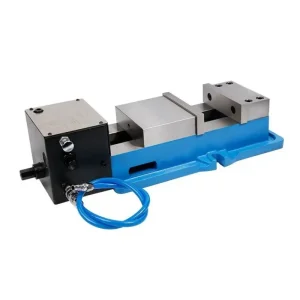
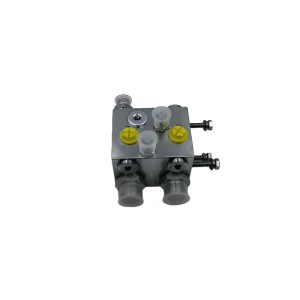
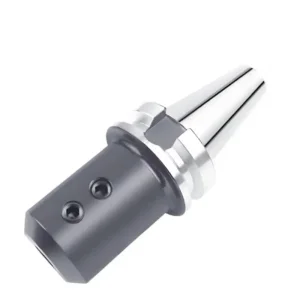
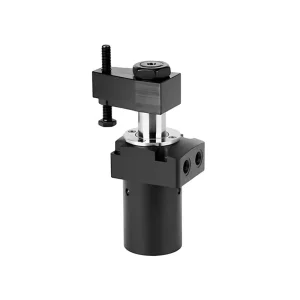
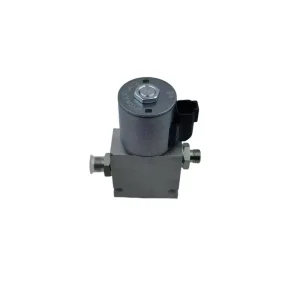
Extend your procurement reach with precision heavy-machinery actuators, control blocks, and machine tool holding equipment.