
Precision Engineering Portfolio: Actuators, Valves & Clamping Parts
From multi-axis CNC universal workholding components to specialized heavy-duty hydraulic actuation, browse our factory-direct precision parts built to DIN, ISO, and JIS engineering standards.
-
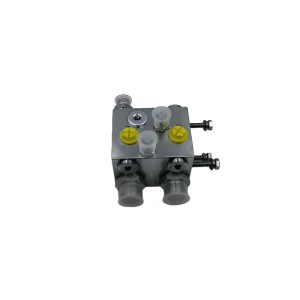 China Differential Lock Solenoid Valve MPM-DLSV12 Manufacturer, FactoryView Specifications
-
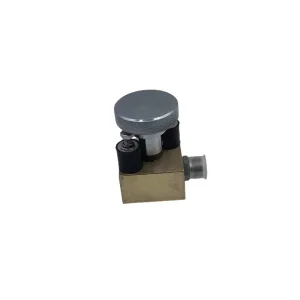 Wholesale Manual Speed Control Copper Valve Block MPM-MSCCVB12 Supplier, FactoriesView Specifications
-
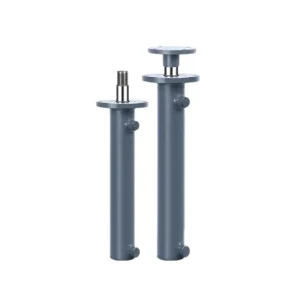 ODM Outrigger Hydraulic Cylinder MPM-OHC12 for Crane Supplier, FactoryView Specifications
-
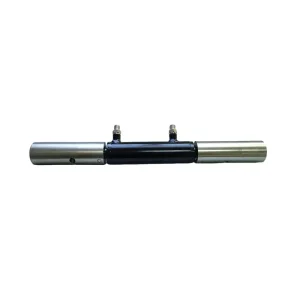 ODM Quick Change Cylinder MPM-HCQ501 Suppliers, FactoryView Specifications
-
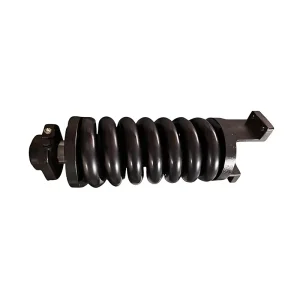 High-Quality Tightening Cylinder MPM-HCT401 for Excavator and Loader Suppliers, FactoriesView Specifications
-
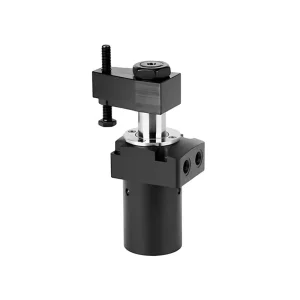 Custom Angle Push Cylinder Supplier, ManufacturersView Specifications
-
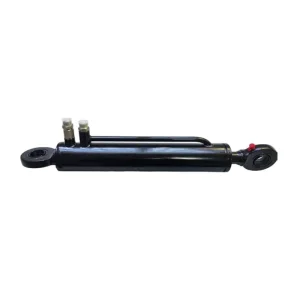 Cheap Single Rod Double Acting Steering Cylinder Manufacturer, FactoryView Specifications
-
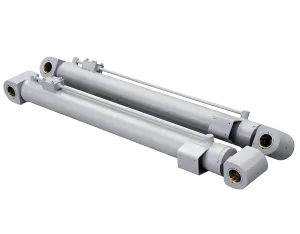 High-Quality Luffing Cylinder Supplier, ManufacturersView Specifications
Precision Milling Universal Vices: Deconstructing the "Cheap vs. Quality" Myth
In contemporary CNC machining centres and jig-boring setups, workholding rigidity directly dictates surface roughness, dimensional repeatability, and spindle tool life. The global search for "cheap precision milling universal vice suppliers" is no longer about accepting poor cast iron; it represents a strategic shift toward lean, high-ROI engineering procurement.
Guideway Parallelism & Squareness
FCD-60 Ductile Iron Tensile Strength
Mechanical/Hydraulic Clamping Force
Carburized Bed Hardness Depth (≥2mm)
Kinematic 3-Axis Freedom
Universal precision milling vices allow full spatial flexibility: 360° horizontal rotation around the calibrated swivel base, 90° vertical tilting from horizontal to perpendicular, and ±45° lateral inclination. This tri-axial orientation eliminates repetitive part reclamping for compound angular milling, drilling, and coordinate grinding.
Zero-Lift Jaw Technology
Cutting forces traditionally induce jaw lift, elevating workpieces by 0.02mm to 0.05mm. Our precision universal vice architecture implements a dynamic downward spherical segment mechanism: clamping torque creates a 45° resultant force vector, actively driving the movable jaw downward against precision-ground sliding bed surfaces.
Vibration Damping Metallurgy
Manufactured from high-grade nodular ductile iron (QT-600 / FCD-60) rather than generic gray casting (HT200). The graphite spheroids arrest micro-vibrations during heavy face milling, preventing resonance transfer to CNC spindle bearings and extending carbide insert life by up to 28% under intermittent cutting cycles.
Value Engineering Economics
By streamlining batch CNC rail grinding and leveraging automated horizontal machining centers in Qingdao, we eliminate intermediary brand markups of 200–350%. Buyers obtain German-grade geometric tolerances at direct factory pricing, maximizing machine shop capital expenditure efficiency.
Localized Application Scenarios in Modern Discrete Manufacturing
Universal precision vices bridge the gap between simple 3-axis milling machinery and dedicated multi-axis machining centers. In regional production clusters globally, these workholding tools are utilized across demanding industrial sectors.
Aerospace Bracketry & Angled Flanges
In aerospace subcontracting machine shops across North America and Europe, lightweight structural parts (titanium Ti-6Al-4V and aluminum 7075-T6) demand compound-angle beveling and oblique oil port boring. Universal milling vices allow operators to lock 17.5° or 33.2° compound planes instantly without building dedicated high-cost custom fixturing plates, slashing setup times from 4 hours to 18 minutes.
Die, Mold & Tooling Micro-Machining
Toolrooms in Germany, Japan, and coastal China rely on tilting universal vices for EDM spark erosion electrode fabrication and injection mold insert finishing. When polishing or wire-cutting complex mold parting lines, our micrometric vernier dial rings (graduated in 1’ arc increments) ensure angular positioning repeatable within ±15 arc seconds.
Hydraulic Valve Block Cavity Machining
As demonstrated in our proprietary hydraulic component production lines (processing parts such as MPM-DLSV12 solenoid blocks and copper speed control valves), manifold blocks require intersecting control ports drilled at oblique angles. Rigid universal vices clamp forged steel blocks under 35kN holding force without thermal or mechanical deformation.
Defense, Armaments & Specialized Actuators
From turret gear teeth deburring to custom heavy equipment cylinder mounting lugs (such as LHD loader tilt brackets and crane outrigger pin holes), universal vices offer vibration-free clamping during deep-hole drilling and heavy end-milling operations on pre-hardened 42CrMo alloy steel.
Field Engineering Insight: Clamping Dynamic Rigidity
A precision vice is only as accurate as its machine table contact interface. Our universal vices feature precision scraped keyways conforming to DIN 6520 / ISO 299 table slot standards. Hardened ground tenons guarantee that the vice base aligns with the machine spindle X-axis within 0.008mm over a 300mm traverse immediately upon bolting down.
Precision Universal Vice vs. Conventional Workholding Solutions
Selecting the optimal clamping system requires balancing capital investment against flexibility, angular capability, and positioning repeatability. Here is an objective comparison based on machine shop empirical data.
| Performance Dimension | Standard Low-Cost Bench Vice | High-End Modular CNC Vice | MPM Precision Milling Universal Vice |
|---|---|---|---|
| Body Metallurgy | Grey Cast Iron (HT200 / GG-20) | Alloy Steel (Steel 20Cr / 8620) | Nodular Spheroidal Iron (QT-600 / FCD-60) |
| Angular Freedom | None (Fixed 0°) | None or Single Swivel Plate Only | 3-Axis Spatial (360° Swivel / 90° Tilt / ±45° Lean) |
| Guideway Parallelism | 0.050mm / 100mm | 0.005mm / 100mm | 0.005mm – 0.008mm / 100mm |
| Jaw Lift Resistance | High Lift (>0.04mm deflection) | Anti-Lift Mechanical Pulldown | Patented Downward Vector Spherical Wedge (≤0.005mm) |
| Bed Surface Hardness | Unquenched (HB 180-210) | Case Hardened HRC 58-62 | High-Frequency Induction Hardened HRC 48-52 (Depth ≥2.5mm) |
| Lead Screw Protection | Exposed to Swarf & Coolant | Fully Enclosed Telescopic Shield | Fully Sealed Nitrided Screw with Anti-Fouling Scraper Ring |
| Procurement Cost Index | Lowest (Fast Wearout) | Very High ($1,800 – $3,500/unit) | Cost-Effective Direct Factory ($320 – $680/unit) |
China Supply Chain Resilience: Why Qingdao Factory-Direct Lowers Total Cost of Ownership
The term "cheap" in precision equipment procurement has been redefined. Today, cost advantage is built upon automated high-throughput cells, domestic raw-material clusters, and deep vertical integration from electric induction melting furnaces to multi-axis CNC surface grinding.
Vertical Foundry-to-Spindle Ecosystem
Situated in Shandong’s heavy industrial corridor, Qingdao Micro Precision Machinery (MPM) sources pig iron, nodularizing alloys, and precision alloy steels within a 120km radius. We execute continuous induction melting, spectral metallurgical analysis, and dual natural-aging stress relief (vibratory + thermal annealing at 550°C) in-house, preventing residual stress release that causes vice bodies to warp over time.
Dedicated Batch Grinding Cells
Rather than machining vices one by one, MPM operates automated gantry guideway grinders capable of grinding vice slide beds in batches of 16 units simultaneously under climate-controlled (20°C ±1°C) enclosures. This yields identical rail heights (±0.003mm matched sets) at a fraction of the labor cost, enabling multi-vice gantry table setups without shim calibration.
Qingdao Port Strategic Proximity
Located just 35 minutes from Qingdao Port (one of the world’s top container hubs with direct sailings to Rotterdam, Los Angeles, Singapore, and Hamburg), MPM eliminates internal cross-province drayage costs. Standard FCL and LCL container bookings depart weekly, protected with VCI anti-corrosion barrier wrapping and vacuum wooden crating.
ISO 9001:2015 & Metrology Redundancy
Every single milling universal vice ships with an individualized Metrology Inspection Certificate. Zeiss 3D coordinate measuring machines (CMM), Mitutoyo digital dial indicators, and Taylor Hobson surface roughness profilometers verify jaw squareness, parallelism, and lead screw runout prior to export approval.
Technology Roadmap: The Evolution of Intelligent & Multi-Axis Clamping
As modern production shifts toward lights-out flexible manufacturing systems (FMS) and robotic tending, the humble milling vice is evolving from a purely mechanical device into an intelligent, digitized workholding asset.
Phase 1: Wireless Clamping Force Telemetry
Integration of low-profile thin-film piezoresistive strain sensors directly beneath the jaw step inserts. Operators and CNC macro programs receive real-time clamping force telemetry via Bluetooth Low Energy (BLE) or IO-Link. Prevents structural crushing of thin-walled aerospace components and identifies loose clamping caused by thermal vibration.
Phase 2: Zero-Point Quick Change Interface
Standardizing the base of universal milling vices with integrated pull-stud receivers conforming to standard zero-point clamping grids (such as 52mm and 96mm pallet standards). This permits instant pneumatic or hydraulic transfer of the vice from 3-axis prep mills to 5-axis finishing centers without losing datum alignment (<0.002mm repeatability).
Phase 3: Automated Pneumo-Hydraulic Assist
Bridging traditional manual leadscrew vices with integrated self-contained hydraulic booster cylinders. Utilizing shop floor 0.6MPa pneumatic supply, internal booster pistons convert pneumatic input into 40kN hydraulic clamping force within 0.8 seconds, enabling automated collaborative robot (cobot) tending without external hydraulic power packs.
Phase 4: Cryogenic Machining Compatibility
Engineering specialized sealing polymers and low-expansion alloy jaws for liquid nitrogen (LN2) and supercritical CO2 cryogenic titanium milling. Hardened sub-zero stress relieving ensures the vice maintains micrometer precision at extreme temperatures ranging from -196°C to +80°C without dimensional drift or cracking.
Global Compliance, Traceability & Local Engineering Support
Global tier-1 OEMs and precision workshops demand strict contractual reliability. Qingdao Micro Precision Machinery backs its universal workholding and hydraulic product line with stringent international certification and lifecycle support.
Standardized Conformity
All precision milling universal vices, retention knobs, and hydraulic manifolds are engineered strictly in accordance with DIN 69872, JIS B6339, and ISO 6H thread tolerances. Full compliance with EU Machinery Directive 2006/42/EC ensures smooth customs clearance and immediate workplace safety compliance across Europe and the Americas.
Interchangeable Modular Spares
We maintain an inventory of hardened replacement jaws (prismatic V-jaws, stepped soft jaws, serrated hard grip jaws), lead screw nuts, brass thrust washers, and graduated swivel rings. All parts are serial-numbered with CNC-matched tolerance classes for plug-and-play field replacement.
24-Hour Engineering Desk
Our Qingdao headquarters provides bilingual application engineering support. Whether you need custom CAD/STEP solid models for toolpath collision simulation or custom-machined jaw profiles for complex automotive cast parts, technical responses are delivered within 24 hours.
Comprehensive OEM Warranty
We provide a 24-month structural warranty on all ductile iron vice castings and guideway geometries. In the rare event of material defect or premature dimensional drift under normal operational parameters, rapid-replacement units are dispatched via air courier.
Complete OEM Precision & Hydraulic Inventory
Review additional high-precision machine components, rotary actuators, heavy mining cylinders, and CNC tool accessories manufactured in-house at our Qingdao production facility.
-
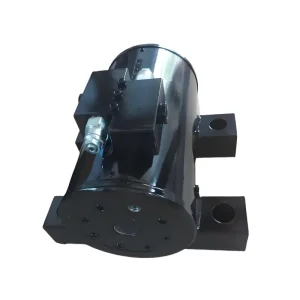 Cheap Rotary Actuator HCR801 Suppliers, SupplierView Specifications
-
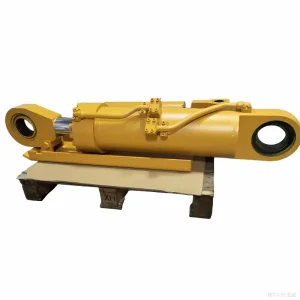 Best Underground LHD Loader Tilt Cylinder Supplier, ManufacturerView Specifications
-
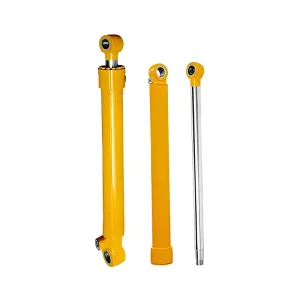 China Small Excavator Stick Cylinder Suppliers, ManufacturersView Specifications
-
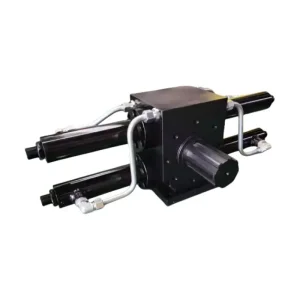 OEM Small Excavator Rotary Actuator Manufacturers, FactoriesView Specifications
-
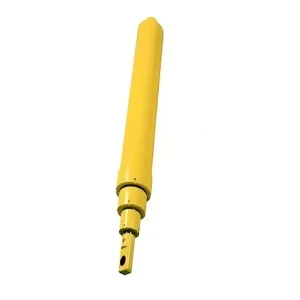 High-Quality 4 stage Telescopic cylinder Suppliers, ManufacturersView Specifications
-
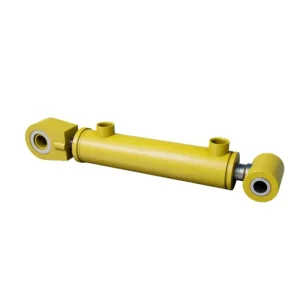 OEM Tilt cylinder MPM-HCT403 Manufacturers, ManufacturerView Specifications
-
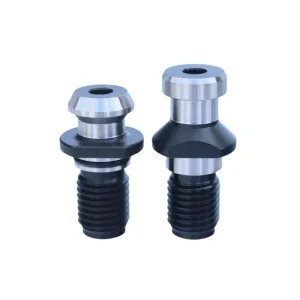 ODM Retention Knob DIN69872 Suppliers, ManufacturersView Specifications
-
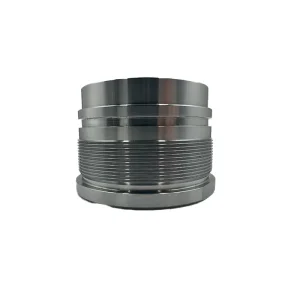 High-Quality Hydraulic Cylinder Head MPM-HCHD11 Suppliers, ManufacturerView Specifications
Frequently Asked Questions: Sourcing Universal Milling Vices
Essential technical, metallurgical, and commercial answers for machining center operators, tooling distributors, and supply chain directors.