Precision Workholding & Hydraulic Actuation Solutions
Engineered to deliver high repeatability, exceptional damping capacity, and structural integrity across heavy industrial machining centers.
Universal Machine Vices: Global Manufacturing Landscape
Analyzing global demand, mechanical stress profiles, and the transition toward automated, high-pressure modular workholding systems.
Metallurgical Integrity
Modern high-speed machining (HSM) causes micro-vibrations that degrade cutting finishes. Our universal vices are cast from stabilized SG Ductile Iron (FCD-60) and stress-relieved via cryogenics to ensure zero deflection under multi-ton dynamic shear loads.
Cost Optimization (TCO)
By leveraging custom ODM modular jaw plates and quick-change pull-stud mechanisms, overall setup times fall by up to 72%. Tool changeover in multi-axis machining centers shifts from minutes to seconds, improving overall equipment effectiveness (OEE).
Zero-Defect Kinematics
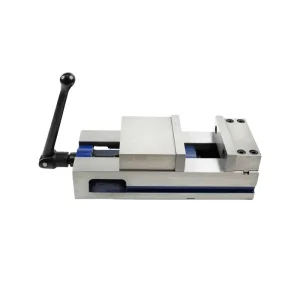
The patented downward-force jaw design prevents jaw lift when heavy clamping pressure is engaged. This guarantees true flat seating of the workpiece, eliminating taper errors during demanding 5-axis roughing and finish operations.
Standard vs. ODM Workholding Specification Matrix
Understanding the gap between commercial off-the-shelf vices and our engineered ODM universal machine vice assemblies.
| Performance Characteristic | Standard Commercial Vices | MPM High-Precision ODM Vices | Engineering Benefit |
|---|---|---|---|
| Base Material & Treatment | Gray Cast Iron (HT200), air-cooled | Ductile Iron FCD-60 + Deep Cryogenic Treatment | Eliminates internal stress; prevents bed twisting |
| Bed Guideway Hardness | HRC 28 - 35 | Flame/Induction Hardened HRC 55 - 60 | Resists swarf scratching and retains bed flatness |
| Jaw Lift Resistance | Mechanical clearance lift (0.03-0.08mm) | Angle-Lock Downward Semi-Sphere Mechanism (<0.008mm) | Workpiece stays firmly planar during heavy face milling |
| Clamping Activation | Manual lead screw only | Hydro-Mechanical / Pneumo-Hydraulic Booster Integrated | Uniform pressure; eliminates operator physical fatigue |
| Parallelism & Squareness | 0.025 mm per 100 mm | 0.005 mm per 100 mm (DIN 8615 Compliant) | Aerospace & medical instrument tier machining accuracy |
Macro-Industry Deployment Solutions
Where mechanical stiffness meets high-duty production cycles across the modern manufacturing ecosystem.
Aerospace Multi-Axis
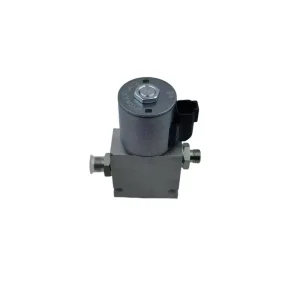
Clamping thin-walled titanium and aluminum structural parts without deformation requires fine force graduation. Integrated pressure-reducing valves maintain safe clamping without crushing delicate walls.
Heavy Equipment & Mining
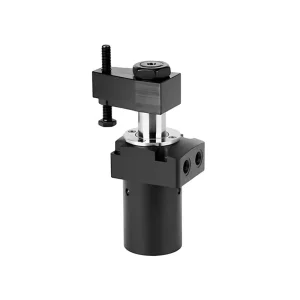
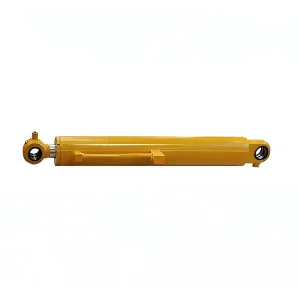
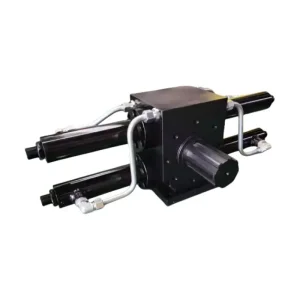
Coupling hydraulic cylinders and universal machine vices enables seamless fixturing of forging blanks, cast loader joints, and large-diameter hydraulic valve bodies without jaw slip during intermittent cuts.
Automotive Powertrain
High-volume cell automation uses hydraulic double-station vices synchronized with PLC units, allowing simultaneous loading and cutting in tandem pallet-shuttle machining centers.
Toolroom & Mold Dies
Universal 3-way tilting and compound-swivel machine vices provide exact angular adjustment for compound angle drilling, electrode machining, and precision jig grinding tasks.
Next-Generation Workholding Ecosystem
Strategic integration of sensory telemetry, zero-point docking, and automated multi-pallet kinematics.
IoT-Enabled Sensorized Vices
Embedded piezo-resistive force sensors track continuous clamping force during high-speed cuts. The data feeds straight into CNC controls, preventing tool chatter and parts shifting out of tolerance in real time.
Zero-Point Interface Interoperability
Standardized pull-stud bases connect immediately to zero-point receivers. This allows fast transfer of vices between 3-axis roughers, 5-axis finish centers, and automated coordinate measuring machines (CMM).
Green Hydraulic Micro-Units
Shifting away from large, high-heat hydraulic stations, the latest ODM vices rely on micro-actuated internal boosters. These self-contained units maintain clamping force with zero fluid consumption and no heat-induced table distortion.
ODM Universal Machine Vice Sourcing & Engineering FAQ
Clear, direct answers for sourcing specialists, tooling directors, and manufacturing engineers.
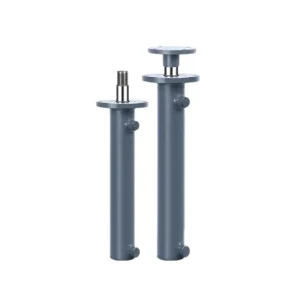
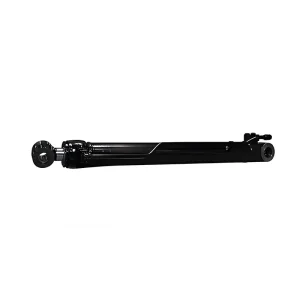
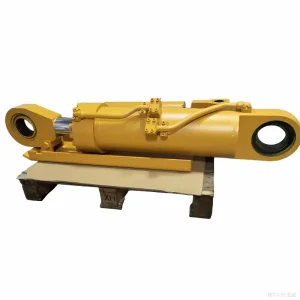
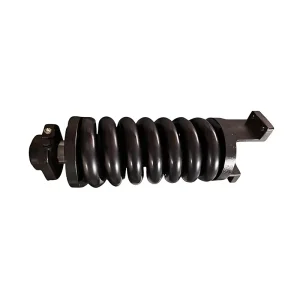
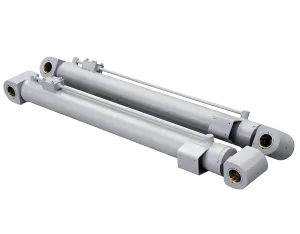
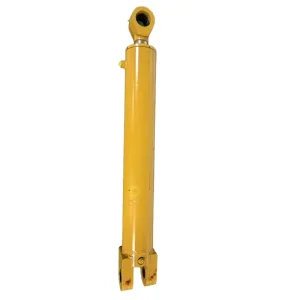
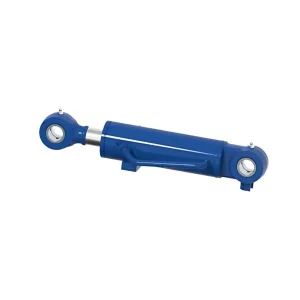
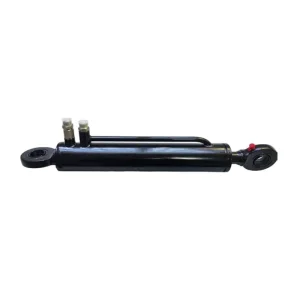
Industrial Hydraulic Actuators & Heavy-Duty Machine Cylinders
Manufactured in our Qingdao facility to deliver robust performance across mining, civil construction, and heavy material handling.