Precision Hydraulic Actuators & Control Solutions
Engineered for high-pressure cycles, micro-tolerance alignment, and heavy-duty mechanical endurance across global OEM machinery platforms.
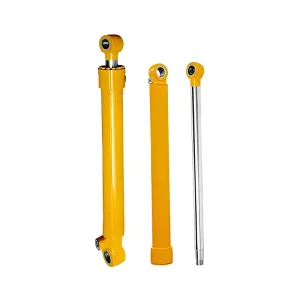
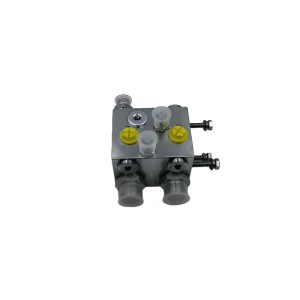
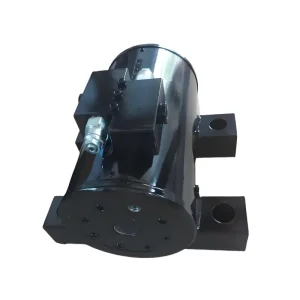
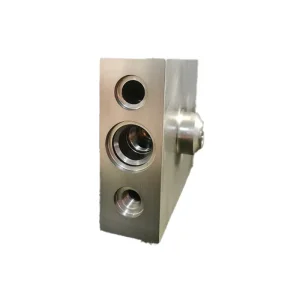
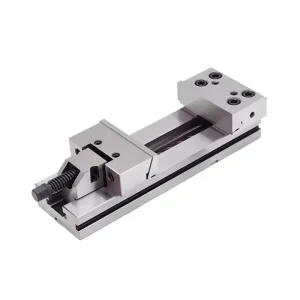
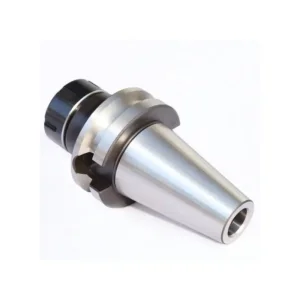
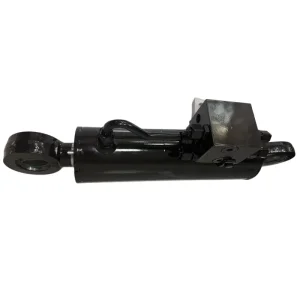
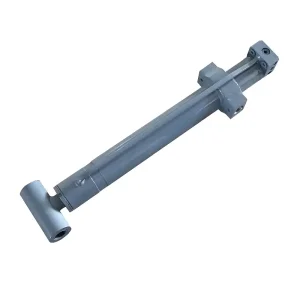
China Factory 4.0: Supply Chain Resilience & Quality Automation
Combining automated CNC machining centers with data-driven predictive traceability to streamline loader cylinder manufacturing cycles.
At our Qingdao digital manufacturing hub, modern heavy-equipment hydraulics manufacturing is no longer dependent on manual guesswork. We operate automated multi-axis turn-mill machining centers, robotic ultrasonic cleaning stations, and climate-controlled deep-hole skiving machines. This ecosystem achieves ultra-tight tolerances across high-volume OEM batch runs, ensuring pin-to-pin alignment and internal cylinder finish within microscopic thresholds.
Every single seamless cold-drawn steel tube (St52, E355, 27SiMn) is verified via chemical composition analysis and non-destructive eddy-current testing before facing. Our integrated manufacturing layout combines raw rod chrome plating, automated induction quenching, cylinder head friction welding, and CNC manifold block machining in one continuous quality feedback loop. This internal supply loop insulates international procurement partners from tier-2 supplier delays, volatile transit disruptions, and raw-material inconsistency.
Traceable Metallurgy & Quenching
Chrome-plated 40Cr/42CrMo piston rods treated with medium-frequency induction quenching. Achieving surface hardness up to HRC 58-62 and chrome layer depth >30µm for 1000h salt spray resistance.
Deep-Hole Skiving & Roller Burnishing
Barrels transition through precision SRB tooling, delivering tight H8 diameter tolerances and mirror internal surface finishes (Ra ≤ 0.2µm) to minimize hydraulic friction and seal degradation.
Automated Full-Cycle Pressure Testing
Every single loader hydraulic cylinder undergoes step-pressure tests exceeding rated working pressure by 150%, evaluating high-velocity seal holding, internal bypass, and cushion braking.
Addressing Global Enterprise Sourcing Mandates
Technical evaluation frameworks developed to assist procurement directors, fluid power engineers, and aftermarket managers.
Drawing & Sample Reverse Engineering
Complete CAD/CAM interoperability supporting STP, DWG, and Parasolid standards. We digitize physical field samples using 3D coordinate-measuring machines (CMM) to establish interchangeable OEM replacement baselines.
Seal Integrity for Continuous Duty
Equipped with Parker, Hallite, or SKF polyurethane/PTFE buffer and rod step seals, backed by phenolic guide rings designed to resist 350-bar peak hydraulic hammer forces in earthmoving machines.
Total Cost of Ownership (TCO) Predictability
By leveraging standardized modular forged steel bases, integrated manifolds, and direct raw material buying power, our ODM contracts mitigate volatile spot-market pricing variations for 12 to 24-month cycles.
High-Efficiency Fluid Kinematics Across Severe Duty Cycles
Wheel loaders and backhoes demand high hydraulic flow rates, rapid extension times, and absolute stability under unbalanced cross-corner loads.
Loaders operate in high-cycle, shock-intensive environments: quarry extraction, port bulk transfer, municipal snow clearance, and subterranean mining. A loader bucket arm and tilt assembly encounter severe lateral twisting forces whenever the operator breaks out uneven granite strata or uncompacted overburden. Inferior hydraulic cylinders suffer rapid piston rod scoring, deformed barrel bodies, and catastrophic gland extrusion within months of commissioning.
Our ODM engineering methodology accounts for real-world mechanical realities through heavy-wall precision honed tubes, high-yield spherical plain bearings, and adjustable internal end-cushioning sleeves. MPM loader cylinders cushion bucket reversal inertia without generating hydraulic shock spikes, extending control valve lifecycle and saving hydraulic pump energy across standard multi-shift site rotations.
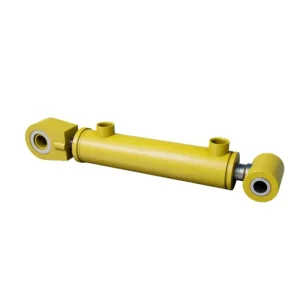
Front Wheel Loader Lift Cylinders
Reinforced double-acting designs engineered for rapid hoist velocity. Featuring integrated dual-port velocity fuses to prevent catastrophic boom drop during unforeseen line-rupture emergencies.
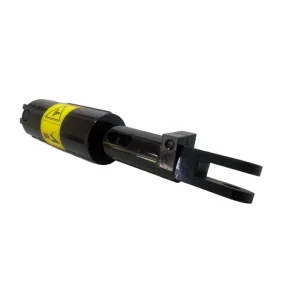
Z-Bar Linkage Bucket Tilt Actuators
Configured specifically to generate high breakout breakout force on crowd angles, employing fortified eye mounts and self-lubricating wear-resistant spherical bearings.
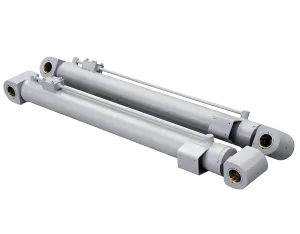
Articulated Chassis Steering Cylinders
Synchronized dual-cylinder hydraulic layouts ensuring balanced steering response, low friction drift, and dampening over deeply rutted aggregate haul trails.
Localized Engineering Collaboration & International Standards
Ensuring compliance, reliable logistics documentation, and interchangeability for global heavy machinery distributors.
Standardized Port Threads & Flanges
Precision CNC-cut port threading manufactured strictly to ISO 6149, SAE J1926-1, BSPP (ISO 1179), or Code 61/62 split-flange systems to guarantee clean field hose mating without leaks.
VCI Packaging & Marine Anti-Corrosion
Multi-step export logistics safeguards: Nitrogen-purged cylinders with internal storage oil misting, high-impact composite thread caps, VCI vapor-barrier wrapping, and fumigated steel-framed crates.
Comprehensive Mill Documentation
Supplied complete with EN 10204 Type 3.1 material test certificates, ultrasonic NDT testing verification, CMM dimensional reports, and certificate of origin (CO) papers for streamlined customs handling.
Technical Roadmap: Smart Fluid Power & Electrified Loaders
Designing modern hydraulic cylinders to meet the demands of zero-emission compact wheel loaders and autonomous construction machinery.
As the construction machinery sector evolves toward battery-electric platforms (BEVs) and hydrogen powertrains, hydraulic efficiency directly governs working operational range. Traditional parasitic throttling losses are intolerable in kilowatt-hour-constrained battery architectures. Our R&D pipeline is aggressively tackling this fluid engineering transition through three key advancements:
Integrated Magnetostrictive Linear Encoders
Machined-in internal position sensors delivering real-time millimeter-level stroke feedback to autonomous loader guidance systems and anti-tipping safety computers.
Low-Friction Nano-Composite Coatings
Replacing traditional heavy chrome finishes with high-velocity oxygen fuel (HVOF) cermet and diamond-like carbon (DLC) coatings, reducing stick-slip friction by 40% on electric boom actuations.
Lightweight High-Tensile Structural Tubes
Application of cold-formed micro-alloy steels with internal hydraulic cushioning geometries, dropping cylinder mass by up to 18% without compromising 420-bar burst ratings.
Frequently Asked Questions: Sourcing Loader Hydraulic Cylinders
Comprehensive engineering insights for OEM procurement, quality assurance, and mechanical design teams.
What technical data is mandatory to begin an ODM custom loader cylinder design quote?
How do you guarantee internal interchangeability when replacing discontinued OEM loader cylinders?
What manufacturing processes prevent loader piston rod pitting and premature seal failure?
Can your factory produce integrated valve blocks mounted directly to the loader cylinder barrel?
What export packaging standards are used to prevent rod damage and internal corrosion during long ocean transit?
What is the typical lead time for custom prototype cylinders versus mass-production series orders?
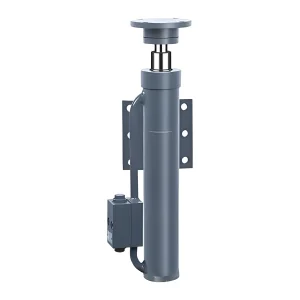
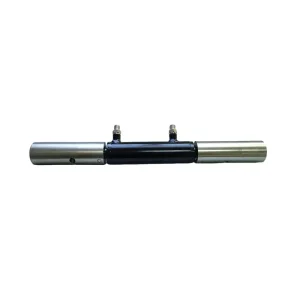
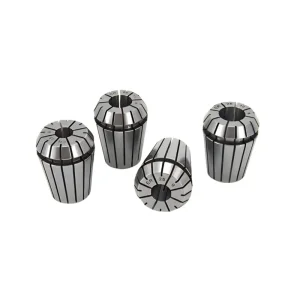
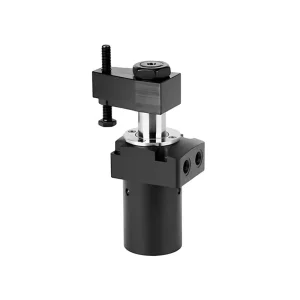
Precision Hydraulic Cylinders & CNC Tooling Solutions
Explore heavy-duty hydraulic actuators, industrial tooling components, and mobile machinery cylinders available for custom OEM production.