
Integrated Precision Mechanical Systems (Batch I)
Explore our manufactured solutions engineered for continuous heavy-duty industrial cycles, ranging from high-pressure hydraulic actuators to high-precision CNC tooling interfaces.
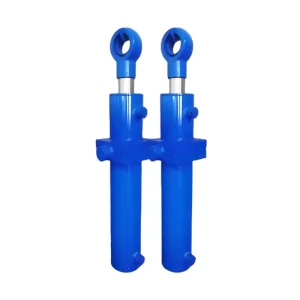
Custom Telescopic Cylinder Supplier, Manufacturer
View Details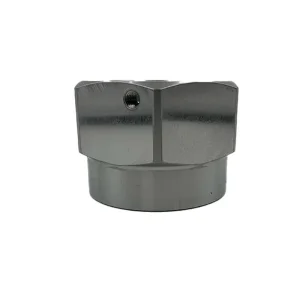
ODM Hydraulic Cylinder Nut MPM-HCNT11 Suppliers, Factory
View Details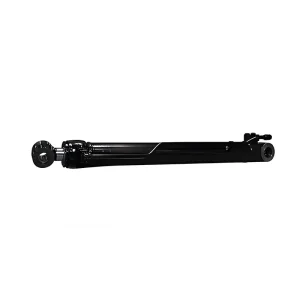
ODM Bucket Cylinder MPM-HCB101 for Excavator and Loader Supplier, Manufacturer
View Details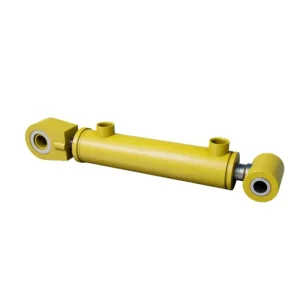
OEM Tilt cylinder MPM-HCT403 Manufacturers, Manufacturer
View Details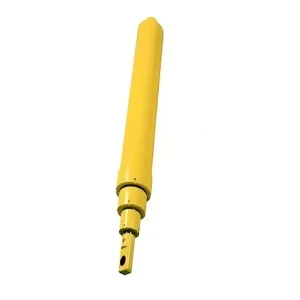
High-Quality 4 stage Telescopic cylinder Suppliers, Manufacturers
View Details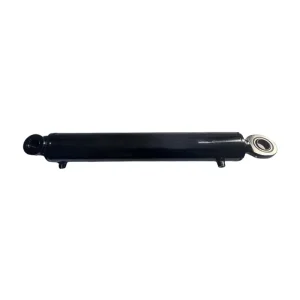
ODM Lifting Cylinder MPM-HCL601 Manufacturers, Manufacturer
View Details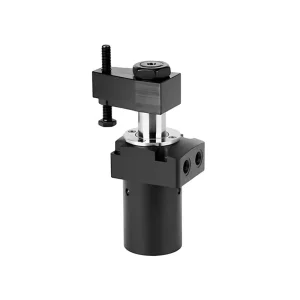
Custom Angle Push Cylinder Supplier, Manufacturers
View Details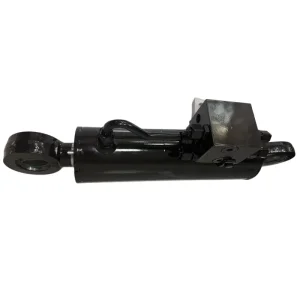
China Reversible Plough Turnover Hydraulic Cylinder Suppliers, Manufacturers
View DetailsThe Semantic Reality of "Cheap" Tool Retention Studs: TCO vs. Acquisition Price
In high-speed CNC milling and 5-axis machining, the tool retention stud (pull stud or retention knob) is the singular mechanical link securing a 15,000 RPM toolholder against drawbar clamping forces reaching up to 25 kN. Understanding how modern Tier-1 factories achieve low cost without sacrificial quality is the foundation of smart procurement.
Ductile Core vs. Hardened Skin
Substandard "cheap" studs often undergo improper through-hardening, rendering the metal glass-brittle. True high-efficiency manufacturing utilizes controlled vacuum carburizing to achieve 58–62 HRC on outer contact surfaces while safeguarding an impact-resistant core at 30–35 HRC.
- Prevents sudden catastrophic shearing under shock load
- Absorbs vibration during heavy roughing passes
- Conforms to DIN EN ISO 7388-3 safety mandates
Precision Thread Rolling vs. Cutting
Factory-level cost reduction stems from automated continuous thread rolling rather than slow lathe threading. Cold forming aligns the steel grain flow along the thread flank root, creating a work-hardened profile with over 300% higher fatigue resistance against repetitive drawbar tension.
- ISO 6g / 4H thread tolerance consistency
- Elimination of stress-concentration notches
- Seamless mating with BT, CAT, ISO, and SK holders
Dynamic Balance & High-RPM Runout
When operating above 12,000 RPM, eccentric pull studs cause microscopic spindle runout, triggering premature bearing wear and surface chatter. Modern automated factories utilize dual-spindle Swiss CNC turning and centerless cylindrical grinding to secure total runout within 0.003 mm.
- Dynamically balanced to G2.5 at 25,000 RPM
- Low Ra 0.2 surface finish on pilot registers
- Flawless contact with automatic tool changer (ATC) grippers
Global Tool Retention Stud Standards & Metallurgical Matrix
A rigorous breakdown of retention knob geometries, flange variations, coolant bores, and standard tolerances across international machining centers.
| Standard Type | Applicable Machine Tapers | Primary Material Grade | Head Angle (° Degrees) | Coolant Channel Options | Typical Clamping Force |
|---|---|---|---|---|---|
| DIN 69872 Form A | SK30, SK40, SK50 (ISO 7388/1) | 20CrMnTi / SNCM420 | 15° Head Taper | Central Thru-Hole (Sealed O-Ring) | 10 – 25 kN |
| DIN 69872 Form B | SK40, SK50 (Tool Changer Gripper) | 16MnCr5 / Case Hardened | 15° Head Taper | Solid (Without Bore) | 12 – 25 kN |
| JIS B6339 (MAS 403) | BT30, BT40, BT50 | SNCM420 / SCM415 Alloy | 30°, 45°, 60° Variations | Both Through-Coolant & Solid | 8 – 22 kN |
| ANSI / ASME B5.50 | CAT 40, CAT 50 (V-Flange) | AISI 8620 / 4140 Modified | 45° / 60° Pull Studs | Drilled with High-Pressure Seal | 11 – 28 kN |
| ISO 7388/2 Form A & B | ISO 30, ISO 40, ISO 50 | 20CrMnTi Alloy | 15° / 45° Form Variants | Radial coolant holes or axial port | 9 – 24 kN |
To eliminate toolholder taper distortion, known in precision engineering as bell-mouthing, the interface between the stud thread, pilot diameter, and shoulder face must be perpendicular to within 0.002 mm. When an improperly ground stud is torqued into an ER collet chuck or side lock arbor, tensile stresses cause the steep taper to expand at its narrow end. As a result, 70% of the contact area between the toolholder and the machine spindle is lost, culminating in tool micro-slippage, micro-fretting corrosion, and shattered carbide end mills.
How Automated Mega-Factories Produce "Cheap" Studs with Flawless Reliability
Examining the structural supply-chain advantages, multi-axis automated cells, and vertically integrated processing clusters located in Shandong, China.
Continuous Bar-Fed CNC Lathe Lines
By pairing high-speed Swiss sliding-head lathes with robotic automated bar loaders, Qingdao Micro Precision executes turning, threading, neck grooving, and face boring in a single setup. Eliminating secondary workpiece reclamping minimizes cumulative geometric errors.
- Lights-out continuous production cycles
- Labor overhead reduced by 62% per 10,000 units
- Tight repeatability on thread pitch diameter
Automated In-Line Optical Inspection
Every single stud passes through 360-degree laser micrometer stations that verify critical neck diameters, taper angles, groove depths, and head radius tolerances. Parts deviating by more than 2 microns are rejected autonomously before surface finishing.
- Zero-defect commitment across containerized batches
- Batch traceability marked via high-precision fiber laser
- Real-time statistical process control (SPC) data
Direct Coastal Steel & Heat Treatment Synergies
Situated in Qingdao, the facility taps directly into regional alloy steel producers and vacuum gas quenching ovens. Direct procurement of high-purity, degassed 20CrMnTi billets removes multi-tier trading margins, translating into genuine rock-bottom wholesale prices.
- Minimal raw material freight inflation
- Immediate seaport access for rapid FCL/LCL ocean transit
- Agile delivery to European, American, & Asian hubs
Enterprise Production Benchmarks & Dynamic Testing
Rigorous test protocols simulate over 500,000 tool changes under continuous high-pressure coolant impingement and extreme cyclic drawbar fatigue.
Localized Machining Applications & Preventative Engineering
Tool retention studs are subjected to dynamic environmental stresses that vary widely across different industrial manufacturing disciplines.
Aerospace Multi-Axis Titanium Contouring
High-feed milling of Grade 5 Titanium produces severe harmonic vibration and sustained radial deflection forces. High-performance pull studs with micro-finished neck transitions prevent harmonic stress build-up that otherwise causes abrupt snap fractures under heavy load.
MAS 403 BT40 45°Automotive Die & Mold Hard Milling
Milling hardened tool steels (54+ HRC) demands absolute toolholder rigidity and zero axial displacement. Correctly torqued studs ensure the toolholder taper remains fully seated against the spindle taper, eliminating micro-fretting and chatter marks.
DIN 69872 Form A SK50Heavy Machinery & Excavator Cylinder Machining
Machining integrated cylinder barrels, hydraulic rod clevises, and large port flanges involves deep-hole boring and aggressive roughing. High-strength retention knobs secure maximum torque transmission without stretching thread roots.
CAT 50 ASME B5.50Critical Maintenance Rule: Torque Specifications
Over-tightening a retention stud is the leading cause of spindle taper destruction. For example, a BT40 retention knob requires a calibrated torque between 60 to 80 Nm, whereas a BT50 knob requires 100 to 140 Nm. Over-torquing stretches the female taper of the toolholder, expanding the taper diameter by several microns. Always employ dedicated pull-stud tightening fixtures with calibrated digital torque wrenches rather than pneumatic impact drivers.
Frequently Asked Questions on Sourcing Industrial Retention Studs
Clear, direct technical answers to assist global purchasing managers, tooling engineers, and CNC machine maintenance personnel.
Why are retention studs from Chinese factories priced significantly lower without being inferior?
What is the catastrophic risk of running low-grade through-hardened retention studs?
How does improper retention stud installation distort toolholder taper geometry?
What steel grades are recognized as the global benchmark for heavy-duty retention studs?
What is the standard inspection protocol to verify retention stud safety?
When should CNC workshops replace retention studs as preventative maintenance?
Can coolant-through (TSC) pull studs withstand high-pressure 70-bar filtration systems?
How does Qingdao Micro Precision support custom OEM retention knob manufacturing?
Integrated Precision Mechanical Systems (Batch II)
Explore our wide-ranging hydraulic power equipment, quick-change control valves, specialized clamping systems, and DIN-standard retention components.
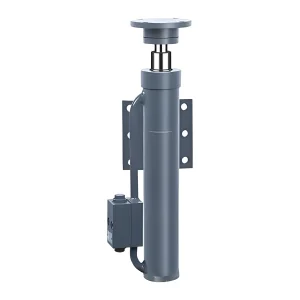
Wholesale Outrigger Expansion Cylinder Suppliers, Factory
View Details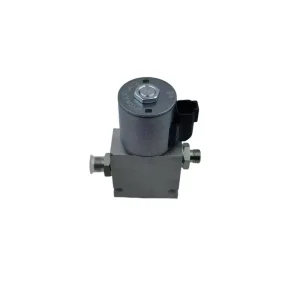
High-Quality Quick Change Solenoid Valve MPM-QCSV12 Suppliers, Factories
View Details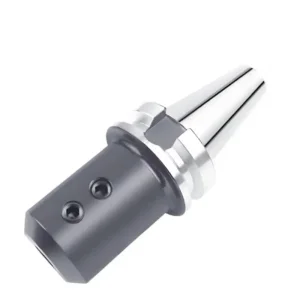
Cheap Side Lock Tool Holder MPM-CTH386 Manufacturers, Factory
View Details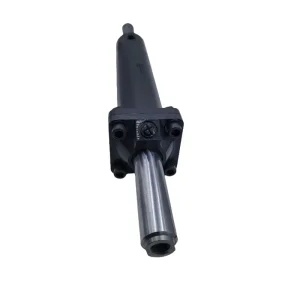
High-Quality Steering cylinder HCS139495 Suppliers, Manufacturer
View Details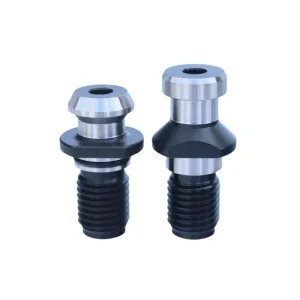
ODM Retention Knob DIN69872 Suppliers, Manufacturers
View Details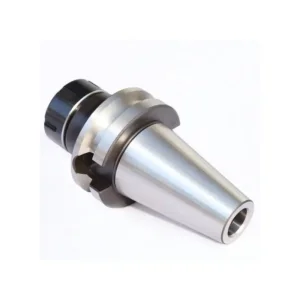
Custom Milling Tool Holder MPM-CTH400 Manufacturers, Manufacturer
View Details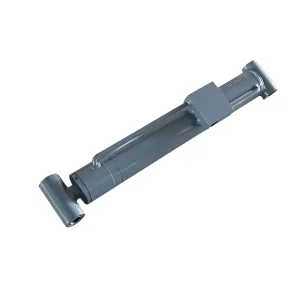
ODM Leveling Cylinder HCL603 Supplier, Manufacturers
View Details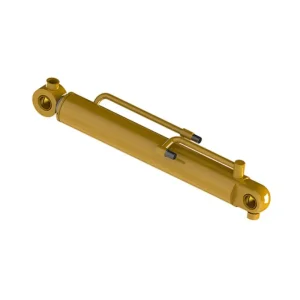
China Small Excavator Bucket Cylinder Suppliers, Supplier
View DetailsPartner Directly with an ISO-Certified Precision Factory
Streamline your mechanical and tooling supply chain. Send us your engineering drawings, required taper standards, or component samples for a comprehensive DFM review and factory-direct quotation within 24 hours.