
Choosing a China Best Tilt Cylinder supplier requires more than comparing prices or browsing polished product photos. A reliable decision begins with the machine’s actual working conditions. Consider lifting capacity, stroke length, mounting space, operating pressure, cycle frequency, temperature, and exposure to dust or moisture. A cylinder that performs well on a test bench may fail under repeated loads in a quarry, port, or agricultural field.
John S. Cundiff, a respected fluid-power author and engineer, expressed a practical design principle: “The application defines the circuit.” This principle also applies to supplier selection. Ask whether the manufacturer understands your equipment, not merely whether it can produce a Tilt Cylinder. Request material specifications, sealing-system details, dimensional drawings, pressure-test records, and traceable inspection reports. Factory experience matters.
Look closely.
A strong supplier should explain its process clearly. It should show machining controls, welding standards, chrome-plating methods, assembly procedures, and final testing practices. Certifications can support credibility, but certificates alone do not guarantee consistent performance. Speak with technical staff. Check whether they can identify common failure causes, such as rod bending, seal extrusion, uneven loading, or poor alignment.
Cost still matters, but the lowest quotation may hide thinner rods, weaker seals, or limited after-sales support. I have seen buyers focus on unit price and overlook replacement downtime. That approach needs reconsideration. Supplier evaluation should include lead time, spare-parts availability, warranty terms, communication quality, and documented customer experience. The best choice is not always the largest factory. It is the supplier that can prove technical fit, stable quality, and dependable support for your specific Tilt Cylinder application.
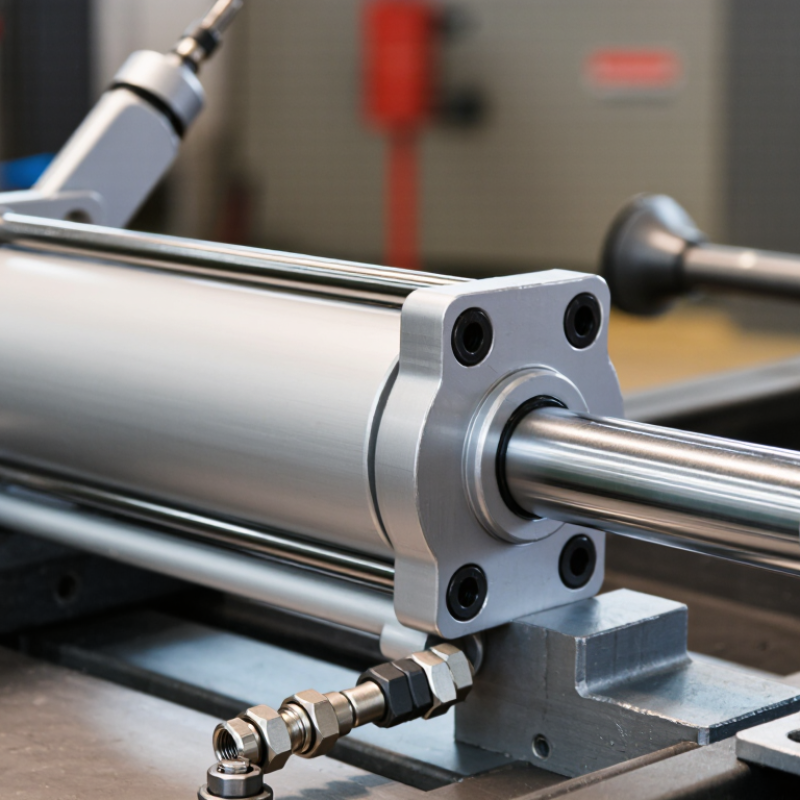
A tilt cylinder is a hydraulic actuator that changes an attachment’s angle through controlled rod movement. It commonly serves excavator buckets, loaders, telehandlers, agricultural tools, and material-handling equipment. When hydraulic oil enters one chamber, pressure pushes the piston and rotates the attachment around its pivot pins. The opposite chamber returns oil through the valve system. Simple in theory.
Grand View Research reported that the global hydraulic cylinders market reached about USD 14.7 billion in 2023. Its report also forecasts continued growth through 2030, driven by construction, agriculture, and industrial machinery. This growth does not make every supplier suitable. A tilt cylinder must match the machine’s working pressure, bore, stroke, pin diameter, retracted length, and mounting angle. One overlooked dimension can cause side loading, seal wear, or poor bucket control.
When choosing a China-based tilt cylinder supplier, request load calculations, pressure-test records, material certificates, and dimensional inspection data. ISO 10100 provides useful guidance for hydraulic cylinder acceptance testing. Ask how the supplier controls rod straightness, welding quality, chrome thickness, and seal compatibility. In field inspections, I would also check grease paths and pin alignment. Catalog pressure figures can look impressive. Actual performance may differ. A supplier should explain that gap honestly, provide traceable reports, and support sample testing before volume production.
Choosing the best China tilt cylinder supplier requires more than comparing prices. Technical specifications reveal whether a cylinder suits your equipment, terrain, and working rhythm. Start with bore diameter, rod diameter, and stroke length. These figures control force, speed, and installation space. A larger bore usually creates greater pushing force, but it may slow movement and increase hydraulic demand.
Compare rated working pressure with your machine’s real operating pressure. The gap should be practical, not merely impressive on paper. Check peak pressure, cycle frequency, and expected load direction. Mounting dimensions also matter. Measure pin diameter, center-to-center distance, rod extension, and retracted length. Even a small mismatch can cause stress or costly modification. Ask about steel grade, rod surface hardness, chrome thickness, and seal materials. Temperature range and corrosion resistance deserve equal attention, especially for outdoor machinery. Some specifications look excellent. They may still fail without test evidence.
Tips: Request dimensional drawings, pressure-test records, material certificates, and sample inspection results. Confirm whether each report matches the proposed production model. Ask how tolerances are controlled during machining and assembly. A supplier should explain its inspection process clearly. I would also test one sample under repeated cycles before placing a large order. This step costs time. It can expose leakage, uneven movement, or weak mounting points early. Do not rely only on a polished catalog. Real performance can be less perfect.
When evaluating a China-based tilt cylinder supplier, start with engineering evidence, not attractive product photos. Confirm the cylinder’s bore, stroke, mounting dimensions, operating pressure, and retracted length. These details must match your machine’s hydraulic system. Ask for drawings with tolerances and material specifications. A reliable supplier should explain why each component is selected.
Request records from production, including pressure-test results, welding procedures, and batch traceability. Check whether every cylinder receives a documented leak test before shipment. Examine piston rods for surface treatment and seals for temperature compatibility. Packaging also matters. Properly capped ports and reinforced crates can prevent damage during long transport. I once overlooked packaging quality, and a minor dent caused unnecessary installation delays.
Communication reveals practical competence. Send a technical question and measure the response. Does an engineer answer clearly, or does someone provide vague promises? Ask about sample approval, inspection access, spare seal kits, warranty handling, and replacement lead times. A capable supplier should accept reasonable third-party inspections and provide consistent documents. However, no checklist is perfect. Factory conditions can change, and certificates may not show daily discipline. A video call helps, but an in-person audit offers stronger evidence. Keep written records of approved drawings and test requirements. Small misunderstandings become expensive later.
Choosing a tilt cylinder supplier starts with evidence, not polished photographs. Ask for ISO 9001 certification and verify its scope, validity, and issuing body. For regulated markets, check applicable CE documentation or local requirements. These marks are not interchangeable. Review ISO 10100 testing practices and applicable ISO 6020 or ISO 6022 dimensions. Custom cylinders may not fully match these standards. A supplier should provide material certificates, heat numbers, drawing revisions, and controlled welding records. Traceability matters.
Testing must reflect actual service. Request dimensional reports for bore, rod diameter, pin seats, and mounting centers. Ask about proof-pressure, leakage, and endurance testing. A credible report lists pressure, duration, fluid temperature, cycle count, and acceptance limits. Witness testing is valuable. Inspect the gauge and test fixture yourself. For welded components, ask about visual inspection and suitable nondestructive testing. Testing names alone mean little.
Quality also lives in small details. Chrome thickness, surface roughness, seal compatibility, and cleanliness can decide field life. Ask for a sample inspection plan and compare it with your drawings. No supplier is flawless. A missed tolerance or unclear test record deserves corrective action, not a promise. I would order a pilot batch before a large contract. It can expose packaging damage, assembly variation, and communication gaps early. A reliable supplier explains failures openly and updates the process.
| Evaluation Dimension | Recommended Requirement or Benchmark | Relevant Standard or Reference | Evidence to Request | Suggested Weight |
|---|---|---|---|---|
| Quality management system | A documented quality system covering design control, purchasing, production, inspection, nonconformity handling, corrective action, and record retention. | ISO 9001:2015 | Valid certificate, certification scope, issuing certification body, latest surveillance record, and sample corrective-action report. | 15% |
| Hydraulic cylinder design | The design should define rated pressure, proof pressure, stroke, mounting loads, allowable side load, duty cycle, speed, fluid compatibility, and service temperature. | ISO 4413:2010; ISO 6020-1; ISO 6020-2; ISO 6022, where applicable | Approved drawings, hydraulic calculations, seal-selection rationale, load calculations, and design-change records. | 15% |
| Pressure and functional testing | Every production cylinder should receive documented pressure, leakage, stroke, and functional checks according to an approved test procedure. Test pressure and duration must be defined by the design and customer specification. | ISO 10100:2018; project-specific test specification | Test procedure, calibrated gauge records, pressure-time chart, leakage limits, acceptance criteria, and serialized test report. | 20% |
| Material traceability | Critical parts such as the barrel, piston rod, gland, piston, and welded attachments should be traceable from incoming material through final assembly. | EN 10204:2004, type 3.1 inspection certificate where specified | Material certificates, heat or batch numbers, incoming inspection records, and traceability matrix linked to the cylinder serial number. | 10% |
| Welding control | Welded components should use qualified procedures, trained or qualified welders, controlled preheating where required, and documented visual inspection. | ISO 3834 series; ISO 15614-1; ISO 9606-1; ISO 5817 | Welding procedure specifications, procedure qualification records, welder qualifications, weld maps, and inspection reports. | 8% |
| Dimensional accuracy | Critical dimensions should be verified against approved drawings, including bore, rod diameter, stroke, mounting interfaces, concentricity, and port locations. | Approved product drawing; ISO 2768 where applicable; GD&T requirements on the drawing | Inspection plan, dimensional inspection report, calibrated measuring-equipment list, and first-article inspection report. | 8% |
| Surface treatment and corrosion protection | Rod plating, coating, paint system, masking, adhesion, and corrosion resistance should match the operating environment and required service life. | ISO 9227 for neutral salt spray testing; ISO 12944 for protective paint systems, where applicable | Coating specification, thickness measurements, adhesion results, salt-spray report when required, and surface-treatment batch records. | 7% |
| Sealing and contamination control | Seal materials must be compatible with the hydraulic fluid, pressure, temperature, speed, and duty cycle. Assembly should control particles and foreign material. | ISO 4406:2021 for hydraulic-fluid cleanliness reporting; supplier or customer cleanliness specification | Seal material data sheets, cleanliness procedure, flushing records, particle-count reports where required, and packaging controls. | 7% |
| Inspection and measurement capability | Inspection instruments used for acceptance decisions should be identified, calibrated, and suitable for the required accuracy. | ISO 10012:2003; ISO/IEC 17025:2017 for competent calibration laboratories | Calibration certificates, equipment register, measurement-system records, and internal laboratory competency evidence. | 5% |
| Change control and consistency | The supplier should obtain approval before changing materials, seals, processes, subcontractors, production location, or critical dimensions. | ISO 9001:2015 design and operational-control principles; customer-specific requirements | Engineering-change procedure, deviation approval form, process audit records, and serial-number production history. | 3% |
| Warranty and corrective action | The supplier should provide a written warranty, defined response times, root-cause analysis, containment, and corrective-action tracking for failures. | ISO 9001:2015 nonconformity and corrective-action principles | Warranty terms, failure-analysis template, sample 8D report, replacement policy, and field-service response procedure. | 2% |
| Total Suggested Evaluation Weight | 100% | |||
A reliable supplier should provide more than a low unit price. Request a detailed quotation showing cylinder size, bore diameter, rod material, seals, testing fees, packaging, and shipping terms. Compare identical specifications, not just total prices. A cheaper quote may exclude inspection or export packing. Ask whether the price remains valid for 30 days. Also confirm payment stages and costs for custom tooling. Small details matter.
Delivery promises need evidence. Request a production schedule with machining, assembly, pressure testing, and dispatch dates. Ask about monthly capacity and how delays are handled. A sample order can reveal more than a polished presentation. Check whether the supplier shares inspection photos, serial records, and a test report before shipment. I have found that unclear dates often create larger problems than higher prices. Still, even a careful schedule can fail when materials arrive late.
Warranty terms should state coverage, duration, exclusions, and response time. Confirm who pays for replacement parts and transport when a defect is verified. Support should include installation guidance, troubleshooting documents, and access to a technical contact. Ask for references involving similar excavators or working conditions, without relying only on written testimonials. A video call through the factory can help verify equipment and staff, though it is not perfect. Keep every promise in the purchase contract. Verbal assurance fades quickly.
Confirm bore, stroke, rod diameter, mounting centers, operating pressure, and retracted length. These dimensions must match the machine’s hydraulic system. Request drawings with tolerances and material specifications. Pictures are not enough.
Request pressure-test results, welding procedures, material certificates, and batch traceability records. Each cylinder should have a documented leak-test result before shipment. Drawing revisions must remain controlled. Missing records deserve questions.
Ask for proof-pressure, leakage, and endurance-test details. Reports should show pressure, duration, fluid temperature, cycle count, and acceptance limits. Witness testing adds useful evidence. Inspect the gauge yourself.
Verify certification scope, validity, and issuing organization. Review applicable dimensional and testing standards for your design. Ask about bore accuracy, rod surface treatment, seal compatibility, and cleanliness. A certificate alone proves little.
Ports should be capped, and reinforced crates should protect finished cylinders. Packaging can prevent dents, contamination, and bent mounting parts. One small dent may delay installation. I once overlooked this.
Send a detailed technical question and evaluate the response. A capable engineer explains component choices clearly. Vague promises indicate possible process weaknesses. Video calls help, but factory audits provide stronger evidence.
Request bore size, rod material, seals, testing fees, packaging, shipping terms, and tooling costs. Compare identical specifications, not only total prices. A low quote may exclude inspection or export packing. Small omissions become expensive.
Request dates for machining, assembly, testing, and dispatch. Warranty terms should define coverage, duration, exclusions, and response time. Confirm replacement-part and transport responsibilities. Keep every promise in the contract.
Yes, a pilot batch can expose assembly variation, packaging damage, and communication gaps. Review inspection photos, serial records, and test reports before shipment. No checklist is perfect. Processes can still change.
Choosing the right China-based Tilt Cylinder supplier requires more than comparing prices. A tilt cylinder is a hydraulic actuator used to control the angle or movement of equipment attachments, commonly found in construction machinery, agricultural equipment, material-handling systems, and industrial vehicles. Buyers should compare key specifications such as bore and rod diameter, stroke length, operating pressure, mounting style, materials, sealing system, and compatibility with the machine’s hydraulic circuit.
A reliable supplier should demonstrate engineering capability, stable production processes, clear quality-control procedures, and experience with customized requirements. Review relevant certifications, inspection records, pressure testing methods, dimensional checks, and performance verification before placing an order. Pricing should be evaluated together with minimum order quantities, tooling costs, packaging, delivery schedules, payment terms, warranty coverage, spare parts availability, and after-sales support. Request complete technical documentation and samples when possible, and confirm communication procedures for resolving quality or delivery issues. A supplier offering consistent quality, transparent service, and dependable support is more valuable than one offering only the lowest initial quotation.
